7.3 Array representation of a binary tree
In a linked representation, a binary tree stores data in TreeNode nodes connected by pointers. The previous section introduced basic operations on binary trees in this form.
Can we represent a binary tree with an array instead? Yes.
7.3.1 Representing a perfect binary tree
Start with a simple case. Store every node of a perfect binary tree in an array in level order. Each node then corresponds to a unique array index.
Level-order traversal gives us a mapping between parent and child indices: if a node has index \(i\), its left child has index \(2i + 1\) and its right child has index \(2i + 2\). Figure 7-12 illustrates this relationship.
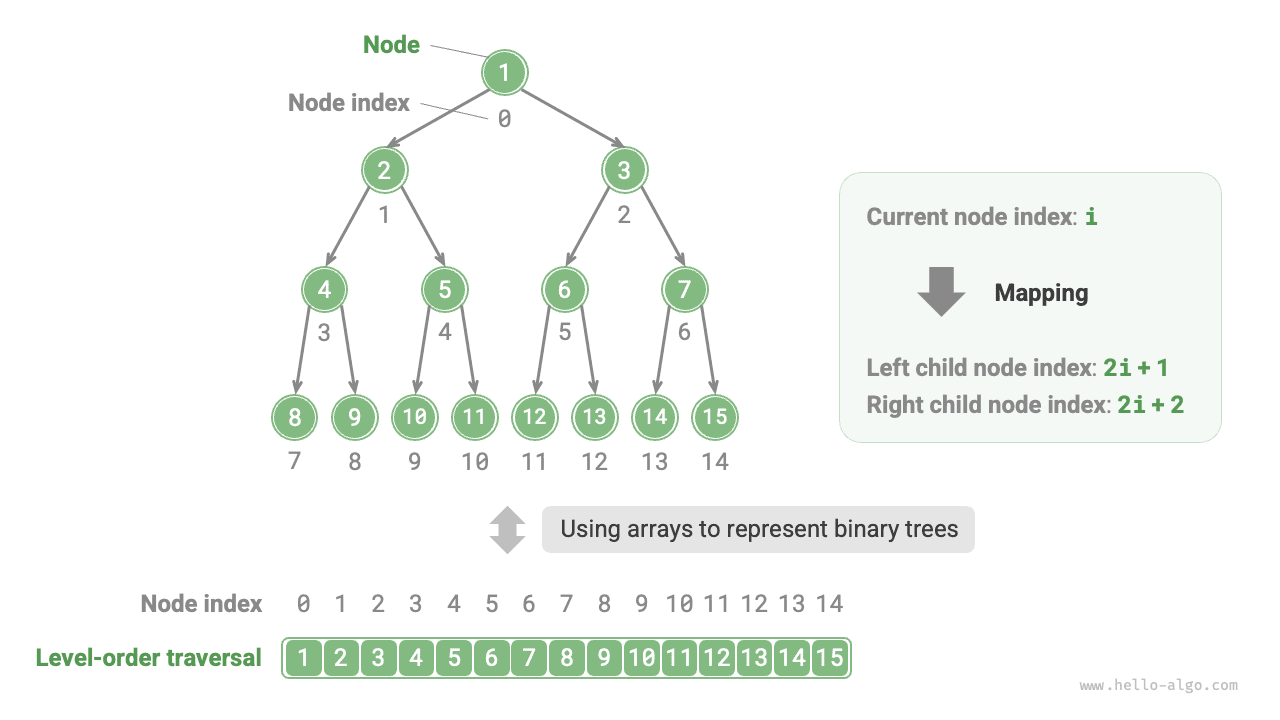
Figure 7-12 Array representation of a perfect binary tree
The mapping formulas serve the same role as node references or pointers in a linked representation. Given any node in the array, we can use them to access its left or right child.
7.3.2 Representing an arbitrary binary tree
A perfect binary tree is a special case. Other binary trees often contain many missing nodes, None, at intermediate levels. Ordinary level-order traversal omits these positions, so its sequence alone cannot tell us their number or locations. Multiple tree structures can therefore produce the same level-order sequence.
As shown below, the array representation above no longer works for a non-perfect binary tree.

Figure 7-13 Multiple binary trees can share a level-order sequence
To solve this, include every None position explicitly in the level-order sequence. The sequence then represents the tree uniquely, as shown below. Example code follows:

Figure 7-14 Array representation of an arbitrary binary tree
Complete binary trees are particularly well suited to array representation. By definition, missing positions occur only at the right end of the lowest level, so all None entries appear at the end of the level-order sequence.
We can therefore omit all None entries when storing a complete binary tree in an array. An example is shown below.
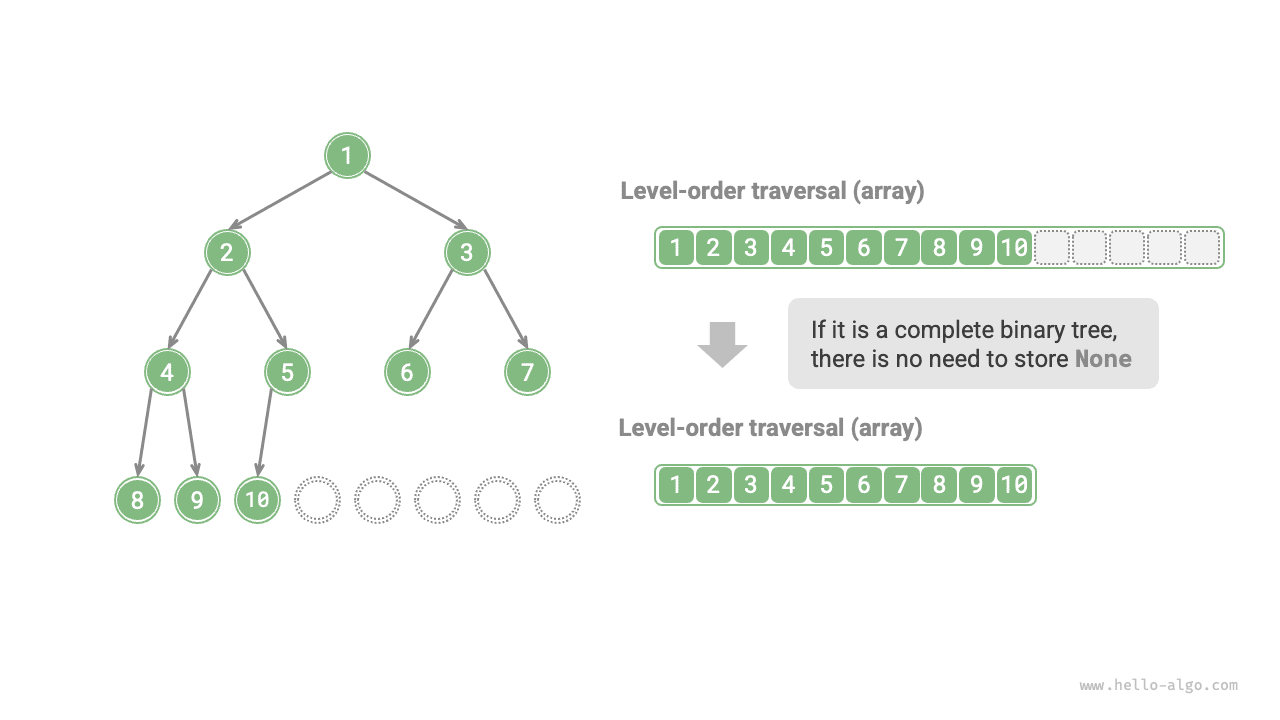
Figure 7-15 Array representation of a complete binary tree
The following code implements an array-based binary tree with these operations.
- Given a node, get its value, left or right child, and parent.
- Obtain preorder, inorder, postorder, and level-order traversal sequences.
class ArrayBinaryTree:
    """Binary tree class using an array representation"""

    def __init__(self, arr: list[int | None]):
        """Constructor"""
        self._tree = list(arr)

    def size(self):
        """Length of the backing list"""
        return len(self._tree)

    def val(self, i: int) -> int | None:
        """Get the value of the node at index i"""
        # If the index is out of bounds, return None to represent an empty position
        if i < 0 or i >= self.size():
            return None
        return self._tree[i]

    def left(self, i: int) -> int | None:
        """Get the left child index of the node at index i"""
        return 2 * i + 1

    def right(self, i: int) -> int | None:
        """Get the right child index of the node at index i"""
        return 2 * i + 2

    def parent(self, i: int) -> int | None:
        """Get the parent index of the node at index i"""
        return (i - 1) // 2

    def level_order(self) -> list[int]:
        """Level-order traversal"""
        self.res = []
        # Traverse the array directly
        for i in range(self.size()):
            if self.val(i) is not None:
                self.res.append(self.val(i))
        return self.res

    def dfs(self, i: int, order: str):
        """Depth-first traversal"""
        if self.val(i) is None:
            return
        # Preorder traversal
        if order == "pre":
            self.res.append(self.val(i))
        self.dfs(self.left(i), order)
        # Inorder traversal
        if order == "in":
            self.res.append(self.val(i))
        self.dfs(self.right(i), order)
        # Postorder traversal
        if order == "post":
            self.res.append(self.val(i))

    def pre_order(self) -> list[int]:
        """Preorder traversal"""
        self.res = []
        self.dfs(0, order="pre")
        return self.res

    def in_order(self) -> list[int]:
        """Inorder traversal"""
        self.res = []
        self.dfs(0, order="in")
        return self.res

    def post_order(self) -> list[int]:
        """Postorder traversal"""
        self.res = []
        self.dfs(0, order="post")
        return self.res
/* Binary tree class using an array representation */
class ArrayBinaryTree {
  public:
    /* Constructor */
    ArrayBinaryTree(vector<int> arr) {
        tree = arr;
    }

    /* Number of positions in the array */
    int size() {
        return tree.size();
    }

    /* Get the value of the node at index i */
    int val(int i) {
        // If the index is out of bounds, return INT_MAX to represent an empty position
        if (i < 0 || i >= size())
            return INT_MAX;
        return tree[i];
    }

    /* Get the left child index of the node at index i */
    int left(int i) {
        return 2 * i + 1;
    }

    /* Get the right child index of the node at index i */
    int right(int i) {
        return 2 * i + 2;
    }

    /* Get the parent index of the node at index i */
    int parent(int i) {
        return (i - 1) / 2;
    }

    /* Level-order traversal */
    vector<int> levelOrder() {
        vector<int> res;
        // Traverse the array directly
        for (int i = 0; i < size(); i++) {
            if (val(i) != INT_MAX)
                res.push_back(val(i));
        }
        return res;
    }

    /* Preorder traversal */
    vector<int> preOrder() {
        vector<int> res;
        dfs(0, "pre", res);
        return res;
    }

    /* Inorder traversal */
    vector<int> inOrder() {
        vector<int> res;
        dfs(0, "in", res);
        return res;
    }

    /* Postorder traversal */
    vector<int> postOrder() {
        vector<int> res;
        dfs(0, "post", res);
        return res;
    }

  private:
    vector<int> tree;

    /* Depth-first traversal */
    void dfs(int i, string order, vector<int> &res) {
        // Return if this position is empty
        if (val(i) == INT_MAX)
            return;
        // Preorder traversal
        if (order == "pre")
            res.push_back(val(i));
        dfs(left(i), order, res);
        // Inorder traversal
        if (order == "in")
            res.push_back(val(i));
        dfs(right(i), order, res);
        // Postorder traversal
        if (order == "post")
            res.push_back(val(i));
    }
};
/* Binary tree class using an array representation */
class ArrayBinaryTree {
    private List<Integer> tree;

    /* Constructor */
    public ArrayBinaryTree(List<Integer> arr) {
        tree = new ArrayList<>(arr);
    }

    /* List size */
    public int size() {
        return tree.size();
    }

    /* Get the value of the node at index i */
    public Integer val(int i) {
        // If the index is out of bounds, return null to represent an empty position
        if (i < 0 || i >= size())
            return null;
        return tree.get(i);
    }

    /* Get the left child index of the node at index i */
    public Integer left(int i) {
        return 2 * i + 1;
    }

    /* Get the right child index of the node at index i */
    public Integer right(int i) {
        return 2 * i + 2;
    }

    /* Get the parent index of the node at index i */
    public Integer parent(int i) {
        return (i - 1) / 2;
    }

    /* Level-order traversal */
    public List<Integer> levelOrder() {
        List<Integer> res = new ArrayList<>();
        // Traverse the array directly
        for (int i = 0; i < size(); i++) {
            if (val(i) != null)
                res.add(val(i));
        }
        return res;
    }

    /* Depth-first traversal */
    private void dfs(Integer i, String order, List<Integer> res) {
        // Return if this position is empty
        if (val(i) == null)
            return;
        // Preorder traversal
        if ("pre".equals(order))
            res.add(val(i));
        dfs(left(i), order, res);
        // Inorder traversal
        if ("in".equals(order))
            res.add(val(i));
        dfs(right(i), order, res);
        // Postorder traversal
        if ("post".equals(order))
            res.add(val(i));
    }

    /* Preorder traversal */
    public List<Integer> preOrder() {
        List<Integer> res = new ArrayList<>();
        dfs(0, "pre", res);
        return res;
    }

    /* Inorder traversal */
    public List<Integer> inOrder() {
        List<Integer> res = new ArrayList<>();
        dfs(0, "in", res);
        return res;
    }

    /* Postorder traversal */
    public List<Integer> postOrder() {
        List<Integer> res = new ArrayList<>();
        dfs(0, "post", res);
        return res;
    }
}
/* Binary tree class using an array representation */
class ArrayBinaryTree(List<int?> arr) {
    List<int?> tree = new(arr);

    /* List size */
    public int Size() {
        return tree.Count;
    }

    /* Get the value of the node at index i */
    public int? Val(int i) {
        // If the index is out of bounds, return null to represent an empty position
        if (i < 0 || i >= Size())
            return null;
        return tree[i];
    }

    /* Get the left child index of the node at index i */
    public int Left(int i) {
        return 2 * i + 1;
    }

    /* Get the right child index of the node at index i */
    public int Right(int i) {
        return 2 * i + 2;
    }

    /* Get the parent index of the node at index i */
    public int Parent(int i) {
        return (i - 1) / 2;
    }

    /* Level-order traversal */
    public List<int> LevelOrder() {
        List<int> res = [];
        // Traverse the array directly
        for (int i = 0; i < Size(); i++) {
            if (Val(i).HasValue)
                res.Add(Val(i)!.Value);
        }
        return res;
    }

    /* Depth-first traversal */
    void DFS(int i, string order, List<int> res) {
        // Return if this position is empty
        if (!Val(i).HasValue)
            return;
        // Preorder traversal
        if (order == "pre")
            res.Add(Val(i)!.Value);
        DFS(Left(i), order, res);
        // Inorder traversal
        if (order == "in")
            res.Add(Val(i)!.Value);
        DFS(Right(i), order, res);
        // Postorder traversal
        if (order == "post")
            res.Add(Val(i)!.Value);
    }

    /* Preorder traversal */
    public List<int> PreOrder() {
        List<int> res = [];
        DFS(0, "pre", res);
        return res;
    }

    /* Inorder traversal */
    public List<int> InOrder() {
        List<int> res = [];
        DFS(0, "in", res);
        return res;
    }

    /* Postorder traversal */
    public List<int> PostOrder() {
        List<int> res = [];
        DFS(0, "post", res);
        return res;
    }
}
/* Binary tree type using an array representation */
type arrayBinaryTree struct {
    tree []any
}

/* Constructor */
func newArrayBinaryTree(arr []any) *arrayBinaryTree {
    return &arrayBinaryTree{
        tree: arr,
    }
}

/* Length of the backing slice */
func (abt *arrayBinaryTree) size() int {
    return len(abt.tree)
}

/* Get the value of the node at index i */
func (abt *arrayBinaryTree) val(i int) any {
    // If the index is out of bounds, return nil to represent an empty position
    if i < 0 || i >= abt.size() {
        return nil
    }
    return abt.tree[i]
}

/* Get the left child index of the node at index i */
func (abt *arrayBinaryTree) left(i int) int {
    return 2*i + 1
}

/* Get the right child index of the node at index i */
func (abt *arrayBinaryTree) right(i int) int {
    return 2*i + 2
}

/* Get the parent index of the node at index i */
func (abt *arrayBinaryTree) parent(i int) int {
    return (i - 1) / 2
}

/* Level-order traversal */
func (abt *arrayBinaryTree) levelOrder() []any {
    var res []any
    // Traverse the array directly
    for i := 0; i < abt.size(); i++ {
        if abt.val(i) != nil {
            res = append(res, abt.val(i))
        }
    }
    return res
}

/* Depth-first traversal */
func (abt *arrayBinaryTree) dfs(i int, order string, res *[]any) {
    // Return if this position is empty
    if abt.val(i) == nil {
        return
    }
    // Preorder traversal
    if order == "pre" {
        *res = append(*res, abt.val(i))
    }
    abt.dfs(abt.left(i), order, res)
    // Inorder traversal
    if order == "in" {
        *res = append(*res, abt.val(i))
    }
    abt.dfs(abt.right(i), order, res)
    // Postorder traversal
    if order == "post" {
        *res = append(*res, abt.val(i))
    }
}

/* Preorder traversal */
func (abt *arrayBinaryTree) preOrder() []any {
    var res []any
    abt.dfs(0, "pre", &res)
    return res
}

/* Inorder traversal */
func (abt *arrayBinaryTree) inOrder() []any {
    var res []any
    abt.dfs(0, "in", &res)
    return res
}

/* Postorder traversal */
func (abt *arrayBinaryTree) postOrder() []any {
    var res []any
    abt.dfs(0, "post", &res)
    return res
}
/* Binary tree class using an array representation */
class ArrayBinaryTree {
    private var tree: [Int?]

    /* Constructor */
    init(arr: [Int?]) {
        tree = arr
    }

    /* Length of the backing array */
    func size() -> Int {
        tree.count
    }

    /* Get the value of the node at index i */
    func val(i: Int) -> Int? {
        // If the index is out of bounds, return nil to represent an empty position
        if i < 0 || i >= size() {
            return nil
        }
        return tree[i]
    }

    /* Get the left child index of the node at index i */
    func left(i: Int) -> Int {
        2 * i + 1
    }

    /* Get the right child index of the node at index i */
    func right(i: Int) -> Int {
        2 * i + 2
    }

    /* Get the parent index of the node at index i */
    func parent(i: Int) -> Int {
        (i - 1) / 2
    }

    /* Level-order traversal */
    func levelOrder() -> [Int] {
        var res: [Int] = []
        // Traverse the array directly
        for i in 0 ..< size() {
            if let val = val(i: i) {
                res.append(val)
            }
        }
        return res
    }

    /* Depth-first traversal */
    private func dfs(i: Int, order: String, res: inout [Int]) {
        // Return if this position is empty
        guard let val = val(i: i) else {
            return
        }
        // Preorder traversal
        if order == "pre" {
            res.append(val)
        }
        dfs(i: left(i: i), order: order, res: &res)
        // Inorder traversal
        if order == "in" {
            res.append(val)
        }
        dfs(i: right(i: i), order: order, res: &res)
        // Postorder traversal
        if order == "post" {
            res.append(val)
        }
    }

    /* Preorder traversal */
    func preOrder() -> [Int] {
        var res: [Int] = []
        dfs(i: 0, order: "pre", res: &res)
        return res
    }

    /* Inorder traversal */
    func inOrder() -> [Int] {
        var res: [Int] = []
        dfs(i: 0, order: "in", res: &res)
        return res
    }

    /* Postorder traversal */
    func postOrder() -> [Int] {
        var res: [Int] = []
        dfs(i: 0, order: "post", res: &res)
        return res
    }
}
/* Binary tree class using an array representation */
class ArrayBinaryTree {
    #tree;

    /* Constructor */
    constructor(arr) {
        this.#tree = arr;
    }

    /* Array length */
    size() {
        return this.#tree.length;
    }

    /* Get the value of the node at index i */
    val(i) {
        // If the index is out of bounds, return null to indicate an empty position
        if (i < 0 || i >= this.size()) return null;
        return this.#tree[i];
    }

    /* Get the left child index of the node at index i */
    left(i) {
        return 2 * i + 1;
    }

    /* Get the right child index of the node at index i */
    right(i) {
        return 2 * i + 2;
    }

    /* Get the parent index of the node at index i */
    parent(i) {
        return Math.floor((i - 1) / 2); // Floor division
    }

    /* Level-order traversal */
    levelOrder() {
        let res = [];
        // Traverse the array directly
        for (let i = 0; i < this.size(); i++) {
            if (this.val(i) !== null) res.push(this.val(i));
        }
        return res;
    }

    /* Depth-first traversal */
    #dfs(i, order, res) {
        // Return if this position is empty
        if (this.val(i) === null) return;
        // Preorder traversal
        if (order === 'pre') res.push(this.val(i));
        this.#dfs(this.left(i), order, res);
        // Inorder traversal
        if (order === 'in') res.push(this.val(i));
        this.#dfs(this.right(i), order, res);
        // Postorder traversal
        if (order === 'post') res.push(this.val(i));
    }

    /* Preorder traversal */
    preOrder() {
        const res = [];
        this.#dfs(0, 'pre', res);
        return res;
    }

    /* Inorder traversal */
    inOrder() {
        const res = [];
        this.#dfs(0, 'in', res);
        return res;
    }

    /* Postorder traversal */
    postOrder() {
        const res = [];
        this.#dfs(0, 'post', res);
        return res;
    }
}
/* Binary tree class using an array representation */
class ArrayBinaryTree {
    #tree: (number | null)[];

    /* Constructor */
    constructor(arr: (number | null)[]) {
        this.#tree = arr;
    }

    /* Array length, including empty positions */
    size(): number {
        return this.#tree.length;
    }

    /* Get the value of the node at index i */
    val(i: number): number | null {
        // If the index is out of bounds, return null to indicate an empty position
        if (i < 0 || i >= this.size()) return null;
        return this.#tree[i];
    }

    /* Get the left child index of the node at index i */
    left(i: number): number {
        return 2 * i + 1;
    }

    /* Get the right child index of the node at index i */
    right(i: number): number {
        return 2 * i + 2;
    }

    /* Get the parent index of the node at index i */
    parent(i: number): number {
        return Math.floor((i - 1) / 2); // Floor division
    }

    /* Level-order traversal */
    levelOrder(): number[] {
        let res = [];
        // Traverse the array directly
        for (let i = 0; i < this.size(); i++) {
            if (this.val(i) !== null) res.push(this.val(i));
        }
        return res;
    }

    /* Depth-first traversal */
    #dfs(i: number, order: Order, res: (number | null)[]): void {
        // Return if this position is empty
        if (this.val(i) === null) return;
        // Preorder traversal
        if (order === 'pre') res.push(this.val(i));
        this.#dfs(this.left(i), order, res);
        // Inorder traversal
        if (order === 'in') res.push(this.val(i));
        this.#dfs(this.right(i), order, res);
        // Postorder traversal
        if (order === 'post') res.push(this.val(i));
    }

    /* Preorder traversal */
    preOrder(): (number | null)[] {
        const res = [];
        this.#dfs(0, 'pre', res);
        return res;
    }

    /* Inorder traversal */
    inOrder(): (number | null)[] {
        const res = [];
        this.#dfs(0, 'in', res);
        return res;
    }

    /* Postorder traversal */
    postOrder(): (number | null)[] {
        const res = [];
        this.#dfs(0, 'post', res);
        return res;
    }
}
/* Binary tree class using an array representation */
class ArrayBinaryTree {
  late List<int?> _tree;

  /* Constructor */
  ArrayBinaryTree(this._tree);

  /* Array length, including empty positions */
  int size() {
    return _tree.length;
  }

  /* Get the value of the node at index i */
  int? val(int i) {
    // If the index is out of bounds, return null to indicate an empty position
    if (i < 0 || i >= size()) {
      return null;
    }
    return _tree[i];
  }

  /* Get the left child index of the node at index i */
  int? left(int i) {
    return 2 * i + 1;
  }

  /* Get the right child index of the node at index i */
  int? right(int i) {
    return 2 * i + 2;
  }

  /* Get the parent index of the node at index i */
  int? parent(int i) {
    return (i - 1) ~/ 2;
  }

  /* Level-order traversal */
  List<int> levelOrder() {
    List<int> res = [];
    for (int i = 0; i < size(); i++) {
      if (val(i) != null) {
        res.add(val(i)!);
      }
    }
    return res;
  }

  /* Depth-first traversal */
  void dfs(int i, String order, List<int?> res) {
    // Return if this position is empty
    if (val(i) == null) {
      return;
    }
    // Preorder traversal
    if (order == 'pre') {
      res.add(val(i));
    }
    dfs(left(i)!, order, res);
    // Inorder traversal
    if (order == 'in') {
      res.add(val(i));
    }
    dfs(right(i)!, order, res);
    // Postorder traversal
    if (order == 'post') {
      res.add(val(i));
    }
  }

  /* Preorder traversal */
  List<int?> preOrder() {
    List<int?> res = [];
    dfs(0, 'pre', res);
    return res;
  }

  /* Inorder traversal */
  List<int?> inOrder() {
    List<int?> res = [];
    dfs(0, 'in', res);
    return res;
  }

  /* Postorder traversal */
  List<int?> postOrder() {
    List<int?> res = [];
    dfs(0, 'post', res);
    return res;
  }
}
/* Binary tree type using an array representation */
struct ArrayBinaryTree {
    tree: Vec<Option<i32>>,
}

impl ArrayBinaryTree {
    /* Constructor */
    fn new(arr: Vec<Option<i32>>) -> Self {
        Self { tree: arr }
    }

    /* Number of positions in the array */
    fn size(&self) -> i32 {
        self.tree.len() as i32
    }

    /* Get the value of the node at index i */
    fn val(&self, i: i32) -> Option<i32> {
        // If the index is out of bounds, return None to represent an empty position
        if i < 0 || i >= self.size() {
            None
        } else {
            self.tree[i as usize]
        }
    }

    /* Get the left child index of the node at index i */
    fn left(&self, i: i32) -> i32 {
        2 * i + 1
    }

    /* Get the right child index of the node at index i */
    fn right(&self, i: i32) -> i32 {
        2 * i + 2
    }

    /* Get the parent index of the node at index i */
    fn parent(&self, i: i32) -> i32 {
        (i - 1) / 2
    }

    /* Level-order traversal */
    fn level_order(&self) -> Vec<i32> {
        self.tree.iter().filter_map(|&x| x).collect()
    }

    /* Depth-first traversal */
    fn dfs(&self, i: i32, order: &'static str, res: &mut Vec<i32>) {
        if self.val(i).is_none() {
            return;
        }
        let val = self.val(i).unwrap();
        // Preorder traversal
        if order == "pre" {
            res.push(val);
        }
        self.dfs(self.left(i), order, res);
        // Inorder traversal
        if order == "in" {
            res.push(val);
        }
        self.dfs(self.right(i), order, res);
        // Postorder traversal
        if order == "post" {
            res.push(val);
        }
    }

    /* Preorder traversal */
    fn pre_order(&self) -> Vec<i32> {
        let mut res = vec![];
        self.dfs(0, "pre", &mut res);
        res
    }

    /* Inorder traversal */
    fn in_order(&self) -> Vec<i32> {
        let mut res = vec![];
        self.dfs(0, "in", &mut res);
        res
    }

    /* Postorder traversal */
    fn post_order(&self) -> Vec<i32> {
        let mut res = vec![];
        self.dfs(0, "post", &mut res);
        res
    }
}
/* Binary tree structure represented by an array */
typedef struct {
    int *tree;
    int size;
} ArrayBinaryTree;

/* Constructor */
ArrayBinaryTree *newArrayBinaryTree(int *arr, int arrSize) {
    ArrayBinaryTree *abt = (ArrayBinaryTree *)malloc(sizeof(ArrayBinaryTree));
    abt->tree = malloc(sizeof(int) * arrSize);
    memcpy(abt->tree, arr, sizeof(int) * arrSize);
    abt->size = arrSize;
    return abt;
}

/* Destructor */
void delArrayBinaryTree(ArrayBinaryTree *abt) {
    free(abt->tree);
    free(abt);
}

/* Array length */
int size(ArrayBinaryTree *abt) {
    return abt->size;
}

/* Get the value of the node at index i */
int val(ArrayBinaryTree *abt, int i) {
    // If the index is out of bounds, return INT_MAX to represent an empty position
    if (i < 0 || i >= size(abt))
        return INT_MAX;
    return abt->tree[i];
}

/* Level-order traversal */
int *levelOrder(ArrayBinaryTree *abt, int *returnSize) {
    int *res = (int *)malloc(sizeof(int) * size(abt));
    int index = 0;
    // Traverse the array directly
    for (int i = 0; i < size(abt); i++) {
        if (val(abt, i) != INT_MAX)
            res[index++] = val(abt, i);
    }
    *returnSize = index;
    return res;
}

/* Depth-first traversal */
void dfs(ArrayBinaryTree *abt, int i, char *order, int *res, int *index) {
    // Return if this position is empty
    if (val(abt, i) == INT_MAX)
        return;
    // Preorder traversal
    if (strcmp(order, "pre") == 0)
        res[(*index)++] = val(abt, i);
    dfs(abt, left(i), order, res, index);
    // Inorder traversal
    if (strcmp(order, "in") == 0)
        res[(*index)++] = val(abt, i);
    dfs(abt, right(i), order, res, index);
    // Postorder traversal
    if (strcmp(order, "post") == 0)
        res[(*index)++] = val(abt, i);
}

/* Preorder traversal */
int *preOrder(ArrayBinaryTree *abt, int *returnSize) {
    int *res = (int *)malloc(sizeof(int) * size(abt));
    int index = 0;
    dfs(abt, 0, "pre", res, &index);
    *returnSize = index;
    return res;
}

/* Inorder traversal */
int *inOrder(ArrayBinaryTree *abt, int *returnSize) {
    int *res = (int *)malloc(sizeof(int) * size(abt));
    int index = 0;
    dfs(abt, 0, "in", res, &index);
    *returnSize = index;
    return res;
}

/* Postorder traversal */
int *postOrder(ArrayBinaryTree *abt, int *returnSize) {
    int *res = (int *)malloc(sizeof(int) * size(abt));
    int index = 0;
    dfs(abt, 0, "post", res, &index);
    *returnSize = index;
    return res;
}
/* Binary tree class using an array representation */
class ArrayBinaryTree(val tree: MutableList<Int?>) {
    /* List size */
    fun size(): Int {
        return tree.size
    }

    /* Get the value of the node at index i */
    fun _val(i: Int): Int? {
        // If the index is out of bounds, return null to represent an empty position
        if (i < 0 || i >= size()) return null
        return tree[i]
    }

    /* Get the left child index of the node at index i */
    fun left(i: Int): Int {
        return 2 * i + 1
    }

    /* Get the right child index of the node at index i */
    fun right(i: Int): Int {
        return 2 * i + 2
    }

    /* Get the parent index of the node at index i */
    fun parent(i: Int): Int {
        return (i - 1) / 2
    }

    /* Level-order traversal */
    fun levelOrder(): MutableList<Int?> {
        val res = mutableListOf<Int?>()
        // Traverse the array directly
        for (i in 0..<size()) {
            if (_val(i) != null)
                res.add(_val(i))
        }
        return res
    }

    /* Depth-first traversal */
    fun dfs(i: Int, order: String, res: MutableList<Int?>) {
        // Return if this position is empty
        if (_val(i) == null)
            return
        // Preorder traversal
        if ("pre" == order)
            res.add(_val(i))
        dfs(left(i), order, res)
        // Inorder traversal
        if ("in" == order)
            res.add(_val(i))
        dfs(right(i), order, res)
        // Postorder traversal
        if ("post" == order)
            res.add(_val(i))
    }

    /* Preorder traversal */
    fun preOrder(): MutableList<Int?> {
        val res = mutableListOf<Int?>()
        dfs(0, "pre", res)
        return res
    }

    /* Inorder traversal */
    fun inOrder(): MutableList<Int?> {
        val res = mutableListOf<Int?>()
        dfs(0, "in", res)
        return res
    }

    /* Postorder traversal */
    fun postOrder(): MutableList<Int?> {
        val res = mutableListOf<Int?>()
        dfs(0, "post", res)
        return res
    }
}
### Binary tree class using an array representation ###
class ArrayBinaryTree
  ### Constructor ###
  def initialize(arr)
    @tree = arr.to_a
  end

  ### Length of the array representation ###
  def size
    @tree.length
  end

  ### Get the value of the node at index i ###
  def val(i)
    # If the index is out of bounds, return nil to indicate an empty position
    return if i < 0 || i >= size

    @tree[i]
  end

  ### Get the left child index of the node at index i ###
  def left(i)
    2 * i + 1
  end

  ### Get the right child index of the node at index i ###
  def right(i)
    2 * i + 2
  end

  ### Get the parent index of the node at index i ###
  def parent(i)
    (i - 1) / 2
  end

  ### Level-order traversal ###
  def level_order
    @res = []

    # Traverse the array directly
    for i in 0...size
      @res << val(i) unless val(i).nil?
    end

    @res
  end

  ### Depth-first traversal ###
  def dfs(i, order)
    return if val(i).nil?
    # Preorder traversal
    @res << val(i) if order == :pre
    dfs(left(i), order)
    # Inorder traversal
    @res << val(i) if order == :in
    dfs(right(i), order)
    # Postorder traversal
    @res << val(i) if order == :post
  end

  ### Preorder traversal ###
  def pre_order
    @res = []
    dfs(0, :pre)
    @res
  end

  ### Inorder traversal ###
  def in_order
    @res = []
    dfs(0, :in)
    @res
  end

  ### Postorder traversal ###
  def post_order
    @res = []
    dfs(0, :post)
    @res
  end
end
Visualize execution
7.3.3 Strengths and limitations
Array representation offers the following advantages.
- Contiguous memory is cache-friendly, making access and traversal fast.
- No pointers need to be stored, saving space.
- Nodes can be accessed randomly by index.
However, it also has limitations.
- Arrays require contiguous memory, making them unsuitable for extremely large trees.
- Adding and removing nodes requires array insertion and deletion operations, which are inefficient.
- If the tree has many missing nodes, actual node data occupies only a small fraction of the array, wasting space.