mirror of
https://github.com/youngyangyang04/leetcode-master.git
synced 2026-02-02 18:39:09 +08:00

1196 lines
28 KiB
Markdown
1196 lines
28 KiB
Markdown
* [做项目(多个C++、Java、Go、测开、前端项目)](https://www.programmercarl.com/other/kstar.html)
|
||
* [刷算法(两个月高强度学算法)](https://www.programmercarl.com/xunlian/xunlianying.html)
|
||
* [背八股(40天挑战高频面试题)](https://www.programmercarl.com/xunlian/bagu.html)
|
||
|
||
|
||
|
||
# 104.二叉树的最大深度
|
||
|
||
[力扣题目链接](https://leetcode.cn/problems/maximum-depth-of-binary-tree/)
|
||
|
||
给定一个二叉树,找出其最大深度。
|
||
|
||
二叉树的深度为根节点到最远叶子节点的最长路径上的节点数。
|
||
|
||
说明: 叶子节点是指没有子节点的节点。
|
||
|
||
示例:
|
||
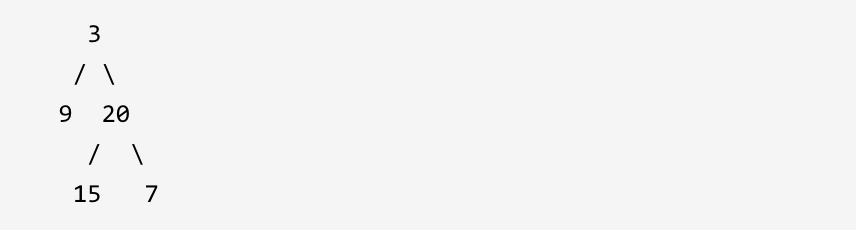
给定二叉树 [3,9,20,null,null,15,7],
|
||
|
||
|
||
|
||
|
||
返回它的最大深度 3 。
|
||
|
||
## 算法公开课
|
||
|
||
**[《代码随想录》算法视频公开课](https://programmercarl.com/other/gongkaike.html):[二叉树的高度和深度有啥区别?究竟用什么遍历顺序?很多录友搞不懂 | 104.二叉树的最大深度](https://www.bilibili.com/video/BV1Gd4y1V75u),相信结合视频再看本篇题解,更有助于大家对本题的理解**。
|
||
|
||
## 思路
|
||
|
||
看完本篇可以一起做了如下两道题目:
|
||
|
||
* [104.二叉树的最大深度](https://leetcode.cn/problems/maximum-depth-of-binary-tree/)
|
||
* [559.n叉树的最大深度](https://leetcode.cn/problems/maximum-depth-of-n-ary-tree/)
|
||
|
||
|
||
### 递归法
|
||
|
||
本题可以使用前序(中左右),也可以使用后序遍历(左右中),使用前序求的就是深度,使用后序求的是高度。
|
||
|
||
* 二叉树节点的深度:指从根节点到该节点的最长简单路径边的条数或者节点数(取决于深度从0开始还是从1开始)
|
||
* 二叉树节点的高度:指从该节点到叶子节点的最长简单路径边的条数或者节点数(取决于高度从0开始还是从1开始)
|
||
|
||
**而根节点的高度就是二叉树的最大深度**,所以本题中我们通过后序求的根节点高度来求的二叉树最大深度。
|
||
|
||
这一点其实是很多同学没有想清楚的,很多题解同样没有讲清楚。
|
||
|
||
我先用后序遍历(左右中)来计算树的高度。
|
||
|
||
1. 确定递归函数的参数和返回值:参数就是传入树的根节点,返回就返回这棵树的深度,所以返回值为int类型。
|
||
|
||
代码如下:
|
||
```CPP
|
||
int getdepth(TreeNode* node)
|
||
```
|
||
|
||
2. 确定终止条件:如果为空节点的话,就返回0,表示高度为0。
|
||
|
||
代码如下:
|
||
```CPP
|
||
if (node == NULL) return 0;
|
||
```
|
||
|
||
3. 确定单层递归的逻辑:先求它的左子树的深度,再求右子树的深度,最后取左右深度最大的数值 再+1 (加1是因为算上当前中间节点)就是目前节点为根节点的树的深度。
|
||
|
||
代码如下:
|
||
|
||
```CPP
|
||
int leftdepth = getdepth(node->left); // 左
|
||
int rightdepth = getdepth(node->right); // 右
|
||
int depth = 1 + max(leftdepth, rightdepth); // 中
|
||
return depth;
|
||
```
|
||
|
||
所以整体c++代码如下:
|
||
|
||
```CPP
|
||
class Solution {
|
||
public:
|
||
int getdepth(TreeNode* node) {
|
||
if (node == NULL) return 0;
|
||
int leftdepth = getdepth(node->left); // 左
|
||
int rightdepth = getdepth(node->right); // 右
|
||
int depth = 1 + max(leftdepth, rightdepth); // 中
|
||
return depth;
|
||
}
|
||
int maxDepth(TreeNode* root) {
|
||
return getdepth(root);
|
||
}
|
||
};
|
||
```
|
||
|
||
代码精简之后c++代码如下:
|
||
```CPP
|
||
class Solution {
|
||
public:
|
||
int maxDepth(TreeNode* root) {
|
||
if (root == null) return 0;
|
||
return 1 + max(maxDepth(root->left), maxDepth(root->right));
|
||
}
|
||
};
|
||
|
||
```
|
||
|
||
**精简之后的代码根本看不出是哪种遍历方式,也看不出递归三部曲的步骤,所以如果对二叉树的操作还不熟练,尽量不要直接照着精简代码来学。**
|
||
|
||
|
||
本题当然也可以使用前序,代码如下:(**充分表现出求深度回溯的过程**)
|
||
|
||
```CPP
|
||
class Solution {
|
||
public:
|
||
int result;
|
||
void getdepth(TreeNode* node, int depth) {
|
||
result = depth > result ? depth : result; // 中
|
||
|
||
if (node->left == NULL && node->right == NULL) return ;
|
||
|
||
if (node->left) { // 左
|
||
depth++; // 深度+1
|
||
getdepth(node->left, depth);
|
||
depth--; // 回溯,深度-1
|
||
}
|
||
if (node->right) { // 右
|
||
depth++; // 深度+1
|
||
getdepth(node->right, depth);
|
||
depth--; // 回溯,深度-1
|
||
}
|
||
return ;
|
||
}
|
||
int maxDepth(TreeNode* root) {
|
||
result = 0;
|
||
if (root == NULL) return result;
|
||
getdepth(root, 1);
|
||
return result;
|
||
}
|
||
};
|
||
```
|
||
|
||
**可以看出使用了前序(中左右)的遍历顺序,这才是真正求深度的逻辑!**
|
||
|
||
注意以上代码是为了把细节体现出来,简化一下代码如下:
|
||
|
||
```CPP
|
||
class Solution {
|
||
public:
|
||
int result;
|
||
void getdepth(TreeNode* node, int depth) {
|
||
result = depth > result ? depth : result; // 中
|
||
if (node->left == NULL && node->right == NULL) return ;
|
||
if (node->left) { // 左
|
||
getdepth(node->left, depth + 1);
|
||
}
|
||
if (node->right) { // 右
|
||
getdepth(node->right, depth + 1);
|
||
}
|
||
return ;
|
||
}
|
||
int maxDepth(TreeNode* root) {
|
||
result = 0;
|
||
if (root == 0) return result;
|
||
getdepth(root, 1);
|
||
return result;
|
||
}
|
||
};
|
||
```
|
||
|
||
### 迭代法
|
||
|
||
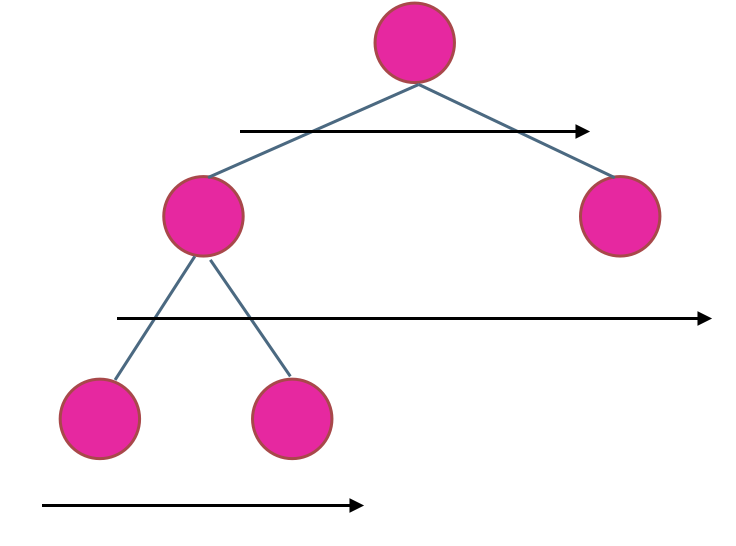
使用迭代法的话,使用层序遍历是最为合适的,因为最大的深度就是二叉树的层数,和层序遍历的方式极其吻合。
|
||
|
||
在二叉树中,一层一层的来遍历二叉树,记录一下遍历的层数就是二叉树的深度,如图所示:
|
||
|
||
|
||
|
||
|
||
所以这道题的迭代法就是一道模板题,可以使用二叉树层序遍历的模板来解决的。
|
||
|
||
如果对层序遍历还不清楚的话,可以看这篇:[二叉树:层序遍历登场!](https://programmercarl.com/0102.二叉树的层序遍历.html)
|
||
|
||
c++代码如下:
|
||
|
||
```CPP
|
||
class Solution {
|
||
public:
|
||
int maxDepth(TreeNode* root) {
|
||
if (root == NULL) return 0;
|
||
int depth = 0;
|
||
queue<TreeNode*> que;
|
||
que.push(root);
|
||
while(!que.empty()) {
|
||
int size = que.size();
|
||
depth++; // 记录深度
|
||
for (int i = 0; i < size; i++) {
|
||
TreeNode* node = que.front();
|
||
que.pop();
|
||
if (node->left) que.push(node->left);
|
||
if (node->right) que.push(node->right);
|
||
}
|
||
}
|
||
return depth;
|
||
}
|
||
};
|
||
```
|
||
|
||
那么我们可以顺便解决一下n叉树的最大深度问题
|
||
|
||
## 相关题目推荐
|
||
|
||
### 559.n叉树的最大深度
|
||
|
||
[力扣题目链接](https://leetcode.cn/problems/maximum-depth-of-n-ary-tree/)
|
||
|
||
给定一个 n 叉树,找到其最大深度。
|
||
|
||
最大深度是指从根节点到最远叶子节点的最长路径上的节点总数。
|
||
|
||
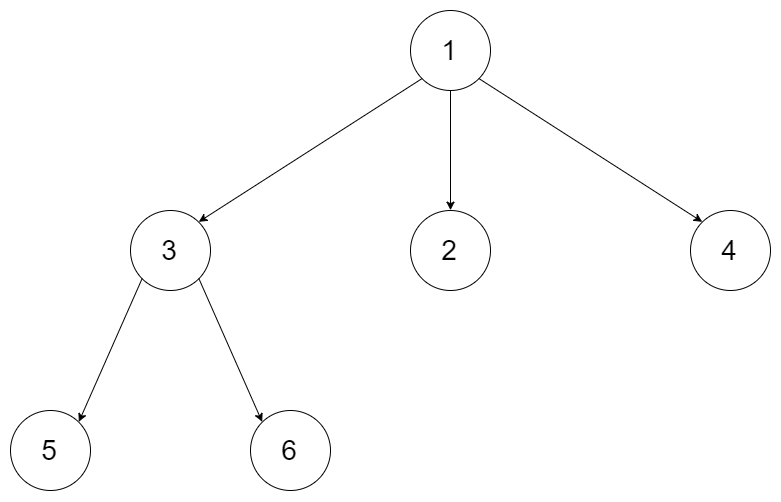
例如,给定一个 3叉树 :
|
||
|
||
|
||
|
||
我们应返回其最大深度,3。
|
||
|
||
### 思路
|
||
|
||
依然可以提供递归法和迭代法,来解决这个问题,思路是和二叉树思路一样的,直接给出代码如下:
|
||
|
||
#### 递归法
|
||
|
||
c++代码:
|
||
|
||
```CPP
|
||
class Solution {
|
||
public:
|
||
int maxDepth(Node* root) {
|
||
if (root == 0) return 0;
|
||
int depth = 0;
|
||
for (int i = 0; i < root->children.size(); i++) {
|
||
depth = max (depth, maxDepth(root->children[i]));
|
||
}
|
||
return depth + 1;
|
||
}
|
||
};
|
||
```
|
||
#### 迭代法
|
||
|
||
依然是层序遍历,代码如下:
|
||
|
||
```CPP
|
||
class Solution {
|
||
public:
|
||
int maxDepth(Node* root) {
|
||
queue<Node*> que;
|
||
if (root != NULL) que.push(root);
|
||
int depth = 0;
|
||
while (!que.empty()) {
|
||
int size = que.size();
|
||
depth++; // 记录深度
|
||
for (int i = 0; i < size; i++) {
|
||
Node* node = que.front();
|
||
que.pop();
|
||
for (int j = 0; j < node->children.size(); j++) {
|
||
if (node->children[j]) que.push(node->children[j]);
|
||
}
|
||
}
|
||
}
|
||
return depth;
|
||
}
|
||
};
|
||
```
|
||
|
||
## 其他语言版本
|
||
|
||
### Java:
|
||
|
||
104.二叉树的最大深度
|
||
|
||
```java
|
||
class Solution {
|
||
/**
|
||
* 递归法
|
||
*/
|
||
public int maxDepth(TreeNode root) {
|
||
if (root == null) {
|
||
return 0;
|
||
}
|
||
int leftDepth = maxDepth(root.left);
|
||
int rightDepth = maxDepth(root.right);
|
||
return Math.max(leftDepth, rightDepth) + 1;
|
||
}
|
||
}
|
||
```
|
||
|
||
```java
|
||
class Solution {
|
||
/**
|
||
* 递归法(求深度法)
|
||
*/
|
||
//定义最大深度
|
||
int maxnum = 0;
|
||
|
||
public int maxDepth(TreeNode root) {
|
||
ans(root,0);
|
||
return maxnum;
|
||
}
|
||
|
||
//递归求解最大深度
|
||
void ans(TreeNode tr,int tmp){
|
||
if(tr==null) return;
|
||
tmp++;
|
||
maxnum = maxnum<tmp?tmp:maxnum;
|
||
ans(tr.left,tmp);
|
||
ans(tr.right,tmp);
|
||
tmp--;
|
||
}
|
||
}
|
||
```
|
||
|
||
```java
|
||
class Solution {
|
||
/**
|
||
* 迭代法,使用层序遍历
|
||
*/
|
||
public int maxDepth(TreeNode root) {
|
||
if(root == null) {
|
||
return 0;
|
||
}
|
||
Deque<TreeNode> deque = new LinkedList<>();
|
||
deque.offer(root);
|
||
int depth = 0;
|
||
while (!deque.isEmpty()) {
|
||
int size = deque.size();
|
||
depth++;
|
||
for (int i = 0; i < size; i++) {
|
||
TreeNode node = deque.poll();
|
||
if (node.left != null) {
|
||
deque.offer(node.left);
|
||
}
|
||
if (node.right != null) {
|
||
deque.offer(node.right);
|
||
}
|
||
}
|
||
}
|
||
return depth;
|
||
}
|
||
}
|
||
```
|
||
|
||
559.n叉树的最大深度
|
||
|
||
```java
|
||
class Solution {
|
||
/*递归法,后序遍历求root节点的高度*/
|
||
public int maxDepth(Node root) {
|
||
if (root == null) return 0;
|
||
|
||
int depth = 0;
|
||
if (root.children != null){
|
||
for (Node child : root.children){
|
||
depth = Math.max(depth, maxDepth(child));
|
||
}
|
||
}
|
||
|
||
return depth + 1; //中节点
|
||
}
|
||
}
|
||
```
|
||
|
||
```java
|
||
class Solution {
|
||
/**
|
||
* 迭代法,使用层序遍历
|
||
*/
|
||
public int maxDepth(Node root) {
|
||
if (root == null) return 0;
|
||
int depth = 0;
|
||
Queue<Node> que = new LinkedList<>();
|
||
que.offer(root);
|
||
while (!que.isEmpty())
|
||
{
|
||
depth ++;
|
||
int len = que.size();
|
||
while (len > 0)
|
||
{
|
||
Node node = que.poll();
|
||
for (int i = 0; i < node.children.size(); i++)
|
||
if (node.children.get(i) != null)
|
||
que.offer(node.children.get(i));
|
||
len--;
|
||
}
|
||
}
|
||
return depth;
|
||
}
|
||
}
|
||
```
|
||
|
||
### Python :
|
||
|
||
104.二叉树的最大深度
|
||
|
||
递归法:
|
||
```python
|
||
class Solution:
|
||
def maxdepth(self, root: treenode) -> int:
|
||
return self.getdepth(root)
|
||
|
||
def getdepth(self, node):
|
||
if not node:
|
||
return 0
|
||
leftheight = self.getdepth(node.left) #左
|
||
rightheight = self.getdepth(node.right) #右
|
||
height = 1 + max(leftheight, rightheight) #中
|
||
return height
|
||
```
|
||
|
||
递归法:精简代码
|
||
```python
|
||
class Solution:
|
||
def maxdepth(self, root: treenode) -> int:
|
||
if not root:
|
||
return 0
|
||
return 1 + max(self.maxdepth(root.left), self.maxdepth(root.right))
|
||
```
|
||
|
||
层序遍历迭代法:
|
||
```python
|
||
# Definition for a binary tree node.
|
||
# class TreeNode:
|
||
# def __init__(self, val=0, left=None, right=None):
|
||
# self.val = val
|
||
# self.left = left
|
||
# self.right = right
|
||
class Solution:
|
||
def maxDepth(self, root: TreeNode) -> int:
|
||
if not root:
|
||
return 0
|
||
|
||
depth = 0
|
||
queue = collections.deque([root])
|
||
|
||
while queue:
|
||
depth += 1
|
||
for _ in range(len(queue)):
|
||
node = queue.popleft()
|
||
if node.left:
|
||
queue.append(node.left)
|
||
if node.right:
|
||
queue.append(node.right)
|
||
|
||
return depth
|
||
|
||
```
|
||
|
||
559.n叉树的最大深度
|
||
|
||
递归法:
|
||
```python
|
||
class Solution:
|
||
def maxDepth(self, root: 'Node') -> int:
|
||
if not root:
|
||
return 0
|
||
|
||
max_depth = 1
|
||
|
||
for child in root.children:
|
||
max_depth = max(max_depth, self.maxDepth(child) + 1)
|
||
|
||
return max_depth
|
||
```
|
||
|
||
迭代法:
|
||
```python
|
||
"""
|
||
# Definition for a Node.
|
||
class Node:
|
||
def __init__(self, val=None, children=None):
|
||
self.val = val
|
||
self.children = children
|
||
"""
|
||
|
||
class Solution:
|
||
def maxDepth(self, root: TreeNode) -> int:
|
||
if not root:
|
||
return 0
|
||
|
||
depth = 0
|
||
queue = collections.deque([root])
|
||
|
||
while queue:
|
||
depth += 1
|
||
for _ in range(len(queue)):
|
||
node = queue.popleft()
|
||
for child in node.children:
|
||
queue.append(child)
|
||
|
||
return depth
|
||
|
||
```
|
||
|
||
使用栈
|
||
```python
|
||
"""
|
||
# Definition for a Node.
|
||
class Node:
|
||
def __init__(self, val=None, children=None):
|
||
self.val = val
|
||
self.children = children
|
||
"""
|
||
|
||
class Solution:
|
||
def maxDepth(self, root: 'Node') -> int:
|
||
if not root:
|
||
return 0
|
||
|
||
max_depth = 0
|
||
|
||
stack = [(root, 1)]
|
||
|
||
while stack:
|
||
node, depth = stack.pop()
|
||
max_depth = max(max_depth, depth)
|
||
for child in node.children:
|
||
stack.append((child, depth + 1))
|
||
|
||
return max_depth
|
||
```
|
||
|
||
### Go:
|
||
|
||
104.二叉树的最大深度
|
||
|
||
```go
|
||
/**
|
||
* definition for a binary tree node.
|
||
* type treenode struct {
|
||
* val int
|
||
* left *treenode
|
||
* right *treenode
|
||
* }
|
||
*/
|
||
func max (a, b int) int {
|
||
if a > b {
|
||
return a;
|
||
}
|
||
return b;
|
||
}
|
||
// 递归
|
||
func maxdepth(root *treenode) int {
|
||
if root == nil {
|
||
return 0;
|
||
}
|
||
return max(maxdepth(root.left), maxdepth(root.right)) + 1;
|
||
}
|
||
|
||
// 遍历
|
||
func maxdepth(root *treenode) int {
|
||
levl := 0;
|
||
queue := make([]*treenode, 0);
|
||
if root != nil {
|
||
queue = append(queue, root);
|
||
}
|
||
for l := len(queue); l > 0; {
|
||
for ;l > 0;l-- {
|
||
node := queue[0];
|
||
if node.left != nil {
|
||
queue = append(queue, node.left);
|
||
}
|
||
if node.right != nil {
|
||
queue = append(queue, node.right);
|
||
}
|
||
queue = queue[1:];
|
||
}
|
||
levl++;
|
||
l = len(queue);
|
||
}
|
||
return levl;
|
||
}
|
||
|
||
```
|
||
|
||
559. n叉树的最大深度
|
||
|
||
```go
|
||
func maxDepth(root *Node) int {
|
||
if root == nil {
|
||
return 0
|
||
}
|
||
q := list.New()
|
||
q.PushBack(root)
|
||
depth := 0
|
||
for q.Len() > 0 {
|
||
n := q.Len()
|
||
for i := 0; i < n; i++ {
|
||
node := q.Remove(q.Front()).(*Node)
|
||
for j := range node.Children {
|
||
q.PushBack(node.Children[j])
|
||
}
|
||
}
|
||
depth++
|
||
}
|
||
return depth
|
||
}
|
||
```
|
||
|
||
### JavaScript :
|
||
|
||
104.二叉树的最大深度
|
||
|
||
```javascript
|
||
var maxdepth = function(root) {
|
||
if (root === null) return 0;
|
||
return 1 + Math.max(maxdepth(root.left), maxdepth(root.right))
|
||
};
|
||
```
|
||
|
||
二叉树最大深度递归遍历
|
||
```javascript
|
||
var maxdepth = function(root) {
|
||
//使用递归的方法 递归三部曲
|
||
//1. 确定递归函数的参数和返回值
|
||
const getdepth = function(node) {
|
||
//2. 确定终止条件
|
||
if(node === null) {
|
||
return 0;
|
||
}
|
||
//3. 确定单层逻辑
|
||
let leftdepth = getdepth(node.left);
|
||
let rightdepth = getdepth(node.right);
|
||
let depth = 1 + Math.max(leftdepth, rightdepth);
|
||
return depth;
|
||
}
|
||
return getdepth(root);
|
||
};
|
||
```
|
||
|
||
二叉树最大深度层级遍历
|
||
```javascript
|
||
var maxDepth = function(root) {
|
||
if(!root) return 0
|
||
let count = 0
|
||
const queue = [root]
|
||
while(queue.length) {
|
||
let size = queue.length
|
||
/* 层数+1 */
|
||
count++
|
||
while(size--) {
|
||
let node = queue.shift();
|
||
node.left && queue.push(node.left);
|
||
node.right && queue.push(node.right);
|
||
}
|
||
}
|
||
return count
|
||
};
|
||
```
|
||
|
||
559.n叉树的最大深度
|
||
|
||
N叉树的最大深度 递归写法
|
||
```js
|
||
var maxDepth = function(root) {
|
||
if(!root) return 0
|
||
let depth = 0
|
||
for(let node of root.children) {
|
||
depth = Math.max(depth, maxDepth(node))
|
||
}
|
||
return depth + 1
|
||
}
|
||
```
|
||
|
||
N叉树的最大深度 层序遍历
|
||
```js
|
||
var maxDepth = function(root) {
|
||
if(!root) return 0
|
||
let count = 0
|
||
let queue = [root]
|
||
while(queue.length) {
|
||
let size = queue.length
|
||
count++
|
||
while(size--) {
|
||
let node = queue.shift()
|
||
for (let item of node.children) {
|
||
item && queue.push(item);
|
||
}
|
||
}
|
||
}
|
||
return count
|
||
};
|
||
```
|
||
|
||
### TypeScript:
|
||
|
||
104.二叉树的最大深度
|
||
|
||
```typescript
|
||
// 后续遍历(自下而上)
|
||
function maxDepth(root: TreeNode | null): number {
|
||
if (root === null) return 0;
|
||
return Math.max(maxDepth(root.left), maxDepth(root.right)) + 1;
|
||
};
|
||
|
||
// 前序遍历(自上而下)
|
||
function maxDepth(root: TreeNode | null): number {
|
||
function recur(node: TreeNode | null, count: number) {
|
||
if (node === null) {
|
||
resMax = resMax > count ? resMax : count;
|
||
return;
|
||
}
|
||
recur(node.left, count + 1);
|
||
recur(node.right, count + 1);
|
||
}
|
||
let resMax: number = 0;
|
||
let count: number = 0;
|
||
recur(root, count);
|
||
return resMax;
|
||
};
|
||
|
||
// 层序遍历(迭代法)
|
||
function maxDepth(root: TreeNode | null): number {
|
||
let helperQueue: TreeNode[] = [];
|
||
let resDepth: number = 0;
|
||
let tempNode: TreeNode;
|
||
if (root !== null) helperQueue.push(root);
|
||
while (helperQueue.length > 0) {
|
||
resDepth++;
|
||
for (let i = 0, length = helperQueue.length; i < length; i++) {
|
||
tempNode = helperQueue.shift()!;
|
||
if (tempNode.left) helperQueue.push(tempNode.left);
|
||
if (tempNode.right) helperQueue.push(tempNode.right);
|
||
}
|
||
}
|
||
return resDepth;
|
||
};
|
||
```
|
||
|
||
559.n叉树的最大深度
|
||
|
||
```typescript
|
||
// 后续遍历(自下而上)
|
||
function maxDepth(root: Node | null): number {
|
||
if (root === null) return 0
|
||
let depth = 0
|
||
for (let i = 0; i < root.children.length; i++) {
|
||
depth = Math.max(depth, maxDepth(root.children[i]))
|
||
}
|
||
return depth + 1
|
||
}
|
||
|
||
// 前序遍历(自上而下)
|
||
function maxDepth(root: Node | null): number {
|
||
if (root === null) return 0
|
||
|
||
let depth: number = 0
|
||
const queue: Array<Node | null> = []
|
||
queue.push(root)
|
||
|
||
while (queue.length > 0) {
|
||
let len = queue.length
|
||
depth++
|
||
for (let i = 0; i < len; i++) {
|
||
// 当前层遍历
|
||
let curNode: Node | null = queue.shift()!
|
||
for (let j = 0; j < curNode.children.length; j++) {
|
||
if (curNode.children[j]) queue.push(curNode.children[j])
|
||
}
|
||
}
|
||
}
|
||
return depth
|
||
}
|
||
|
||
|
||
```
|
||
|
||
### C:
|
||
|
||
104.二叉树的最大深度
|
||
|
||
二叉树最大深度递归
|
||
```c
|
||
int maxDepth(struct TreeNode* root){
|
||
//若传入结点为NULL,返回0
|
||
if(!root)
|
||
return 0;
|
||
|
||
//求出左子树深度
|
||
int left = maxDepth(root->left);
|
||
//求出右子树深度
|
||
int right = maxDepth(root->right);
|
||
//求出左子树深度和右子树深度的较大值
|
||
int max = left > right ? left : right;
|
||
//返回较大值+1(1为当前层数)
|
||
return max + 1;
|
||
}
|
||
```
|
||
二叉树最大深度迭代
|
||
```c
|
||
int maxDepth(struct TreeNode* root){
|
||
//若传入根节点为NULL,返回0
|
||
if(!root)
|
||
return 0;
|
||
|
||
int depth = 0;
|
||
//开辟队列空间
|
||
struct TreeNode** queue = (struct TreeNode**)malloc(sizeof(struct TreeNode*) * 6000);
|
||
int queueFront = 0;
|
||
int queueEnd = 0;
|
||
|
||
//将根结点入队
|
||
queue[queueEnd++] = root;
|
||
|
||
int queueSize;
|
||
//求出当前队列中元素个数
|
||
while(queueSize = queueEnd - queueFront) {
|
||
int i;
|
||
//若当前队列中结点有左右子树,则将它们的左右子树入队
|
||
for(i = 0; i < queueSize; i++) {
|
||
struct TreeNode* tempNode = queue[queueFront + i];
|
||
if(tempNode->left)
|
||
queue[queueEnd++] = tempNode->left;
|
||
if(tempNode->right)
|
||
queue[queueEnd++] = tempNode->right;
|
||
}
|
||
//更新队头下标
|
||
queueFront += queueSize;
|
||
//深度+1
|
||
depth++;
|
||
}
|
||
return depth;
|
||
}
|
||
```
|
||
二叉树最大深度迭代——后序遍历实现
|
||
```c
|
||
int maxDepth(struct TreeNode *root)
|
||
{
|
||
if(root == NULL)
|
||
return 0;
|
||
struct TreeNode *stack[10000] = {};
|
||
int top = -1;
|
||
struct TreeNode *p = root, *r = NULL; // r指向上一个被访问的结点
|
||
int depth = 0, maxDepth = -1;
|
||
while(p != NULL || top >= 0)
|
||
{
|
||
if(p != NULL)
|
||
{
|
||
stack[++top] = p;
|
||
depth++;
|
||
p = p->left;
|
||
}
|
||
else
|
||
{
|
||
p = stack[top];
|
||
if(p->right != NULL && p->right != r) // 右子树未被访问
|
||
p = p->right;
|
||
else
|
||
{
|
||
if(depth >= maxDepth) maxDepth = depth;
|
||
p = stack[top--];
|
||
depth--;
|
||
r = p;
|
||
p = NULL;
|
||
}
|
||
}
|
||
}
|
||
return maxDepth;
|
||
}
|
||
```
|
||
### Swift:
|
||
|
||
104.二叉树的最大深度
|
||
|
||
```swift
|
||
// 递归 - 后序
|
||
func maxDepth1(_ root: TreeNode?) -> Int {
|
||
return _maxDepth1(root)
|
||
}
|
||
func _maxDepth1(_ root: TreeNode?) -> Int {
|
||
if root == nil {
|
||
return 0
|
||
}
|
||
let leftDepth = _maxDepth1(root!.left)
|
||
let rightDepth = _maxDepth1(root!.right)
|
||
return 1 + max(leftDepth, rightDepth)
|
||
}
|
||
|
||
// 层序
|
||
func maxDepth(_ root: TreeNode?) -> Int {
|
||
guard let root = root else {
|
||
return 0
|
||
}
|
||
var queue = [TreeNode]()
|
||
queue.append(root)
|
||
var res: Int = 0
|
||
while !queue.isEmpty {
|
||
res += 1
|
||
for _ in 0 ..< queue.count {
|
||
let node = queue.removeFirst()
|
||
if let left = node.left {
|
||
queue.append(left)
|
||
}
|
||
if let right = node.right {
|
||
queue.append(right)
|
||
}
|
||
}
|
||
}
|
||
return res
|
||
}
|
||
```
|
||
|
||
559.n叉树的最大深度
|
||
|
||
```swift
|
||
// 递归
|
||
func maxDepth(_ root: Node?) -> Int {
|
||
guard let root = root else {
|
||
return 0
|
||
}
|
||
var depth = 0
|
||
for node in root.children {
|
||
depth = max(depth, maxDepth(node))
|
||
}
|
||
return depth + 1
|
||
}
|
||
|
||
// 迭代-层序遍历
|
||
func maxDepth1(_ root: Node?) -> Int {
|
||
guard let root = root else {
|
||
return 0
|
||
}
|
||
var depth = 0
|
||
var queue = [Node]()
|
||
queue.append(root)
|
||
while !queue.isEmpty {
|
||
let size = queue.count
|
||
depth += 1
|
||
for _ in 0 ..< size {
|
||
let node = queue.removeFirst()
|
||
for child in node.children {
|
||
queue.append(child)
|
||
}
|
||
}
|
||
}
|
||
return depth
|
||
}
|
||
```
|
||
|
||
### Scala:
|
||
|
||
104.二叉树的最大深度
|
||
|
||
递归法:
|
||
```scala
|
||
object Solution {
|
||
def maxDepth(root: TreeNode): Int = {
|
||
def process(curNode: TreeNode): Int = {
|
||
if (curNode == null) return 0
|
||
// 递归左节点和右节点,返回最大的,最后+1
|
||
math.max(process(curNode.left), process(curNode.right)) + 1
|
||
}
|
||
// 调用递归方法,return关键字可以省略
|
||
process(root)
|
||
}
|
||
}
|
||
```
|
||
|
||
迭代法:
|
||
```scala
|
||
object Solution {
|
||
import scala.collection.mutable
|
||
def maxDepth(root: TreeNode): Int = {
|
||
var depth = 0
|
||
if (root == null) return depth
|
||
val queue = mutable.Queue[TreeNode]()
|
||
queue.enqueue(root)
|
||
while (!queue.isEmpty) {
|
||
val len = queue.size
|
||
for (i <- 0 until len) {
|
||
val curNode = queue.dequeue()
|
||
if (curNode.left != null) queue.enqueue(curNode.left)
|
||
if (curNode.right != null) queue.enqueue(curNode.right)
|
||
}
|
||
depth += 1 // 只要有层次就+=1
|
||
}
|
||
depth
|
||
}
|
||
}
|
||
```
|
||
|
||
559.n叉树的最大深度
|
||
|
||
递归法:
|
||
```scala
|
||
object Solution {
|
||
def maxDepth(root: Node): Int = {
|
||
if (root == null) return 0
|
||
var depth = 0
|
||
for (node <- root.children) {
|
||
depth = math.max(depth, maxDepth(node))
|
||
}
|
||
depth + 1
|
||
}
|
||
}
|
||
```
|
||
|
||
迭代法: (层序遍历)
|
||
```scala
|
||
object Solution {
|
||
import scala.collection.mutable
|
||
def maxDepth(root: Node): Int = {
|
||
if (root == null) return 0
|
||
var depth = 0
|
||
val queue = mutable.Queue[Node]()
|
||
queue.enqueue(root)
|
||
while (!queue.isEmpty) {
|
||
val len = queue.size
|
||
depth += 1
|
||
for (i <- 0 until len) {
|
||
val curNode = queue.dequeue()
|
||
for (node <- curNode.children) queue.enqueue(node)
|
||
}
|
||
}
|
||
depth
|
||
}
|
||
}
|
||
```
|
||
|
||
### Rust:
|
||
0104.二叉树的最大深度
|
||
|
||
递归:
|
||
```rust
|
||
impl Solution {
|
||
pub fn max_depth(root: Option<Rc<RefCell<TreeNode>>>) -> i32 {
|
||
if root.is_none() {
|
||
return 0;
|
||
}
|
||
std::cmp::max(
|
||
Self::max_depth(root.clone().unwrap().borrow().left.clone()),
|
||
Self::max_depth(root.unwrap().borrow().right.clone()),
|
||
) + 1
|
||
}
|
||
}
|
||
```
|
||
|
||
迭代:
|
||
```rust
|
||
impl Solution {
|
||
pub fn max_depth(root: Option<Rc<RefCell<TreeNode>>>) -> i32 {
|
||
if root.is_none(){
|
||
return 0;
|
||
}
|
||
let mut max_depth: i32 = 0;
|
||
let mut stack = vec![root.unwrap()];
|
||
while !stack.is_empty() {
|
||
let num = stack.len();
|
||
for _i in 0..num{
|
||
let top = stack.remove(0);
|
||
if top.borrow_mut().left.is_some(){
|
||
stack.push(top.borrow_mut().left.take().unwrap());
|
||
}
|
||
if top.borrow_mut().right.is_some(){
|
||
stack.push(top.borrow_mut().right.take().unwrap());
|
||
}
|
||
}
|
||
max_depth+=1;
|
||
}
|
||
max_depth
|
||
}
|
||
```
|
||
### C#
|
||
|
||
0104.二叉树的最大深度
|
||
|
||
```csharp
|
||
// 递归法
|
||
public int MaxDepth(TreeNode root) {
|
||
if(root == null) return 0;
|
||
|
||
int leftDepth = MaxDepth(root.left);
|
||
int rightDepth = MaxDepth(root.right);
|
||
|
||
return 1 + Math.Max(leftDepth, rightDepth);
|
||
}
|
||
```
|
||
```csharp
|
||
// 前序遍历
|
||
int result = 0;
|
||
public int MaxDepth(TreeNode root)
|
||
{
|
||
if (root == null) return result;
|
||
GetDepth(root, 1);
|
||
return result;
|
||
}
|
||
public void GetDepth(TreeNode root, int depth)
|
||
{
|
||
result = depth > result ? depth : result;
|
||
if (root.left == null && root.right == null) return;
|
||
|
||
if (root.left != null)
|
||
GetDepth(root.left, depth + 1);
|
||
if (root.right != null)
|
||
GetDepth(root.right, depth + 1);
|
||
return;
|
||
}
|
||
```
|
||
```csharp
|
||
// 迭代法
|
||
public int MaxDepth(TreeNode root)
|
||
{
|
||
int depth = 0;
|
||
Queue<TreeNode> que = new();
|
||
if (root == null) return depth;
|
||
que.Enqueue(root);
|
||
while (que.Count != 0)
|
||
{
|
||
int size = que.Count;
|
||
depth++;
|
||
for (int i = 0; i < size; i++)
|
||
{
|
||
var node = que.Dequeue();
|
||
if (node.left != null) que.Enqueue(node.left);
|
||
if (node.right != null) que.Enqueue(node.right);
|
||
}
|
||
}
|
||
return depth;
|
||
}
|
||
```
|
||
|
||
559.n叉树的最大深度
|
||
递归法
|
||
```csharp
|
||
/*
|
||
递归法
|
||
*/
|
||
public class Solution {
|
||
public int MaxDepth(Node root) {
|
||
int res = 0;
|
||
/* 终止条件 */
|
||
if(root == null){
|
||
return 0;
|
||
}
|
||
|
||
/* logic */
|
||
// 遍历当前节点的子节点
|
||
for (int i = 0; i < root.children.Count; i++)
|
||
{
|
||
res = Math.Max(res, MaxDepth(root.children[i]));
|
||
}
|
||
return res + 1;
|
||
}
|
||
}
|
||
// @lc code=end
|
||
```
|
||
迭代法(层序遍历)
|
||
```csharp
|
||
/*
|
||
迭代法
|
||
*/
|
||
public class Solution
|
||
{
|
||
public int MaxDepth(Node root)
|
||
{
|
||
Queue<Node> que = new Queue<Node>(); // 使用泛型队列存储节点
|
||
|
||
int res = 0;
|
||
|
||
if(root != null){
|
||
que.Enqueue(root); // 将根节点加入队列
|
||
}
|
||
while (que.Count > 0)
|
||
{
|
||
int size = que.Count; // 获取当前层的节点数
|
||
res++; // 深度加一
|
||
|
||
for (int i = 0; i < size; i++)
|
||
{
|
||
// 每一层的遍历
|
||
|
||
var curNode = que.Dequeue(); // 取出队列中的节点
|
||
for (int j = 0; j < curNode.children.Count; j++)
|
||
{
|
||
if (curNode.children[j] != null)
|
||
{
|
||
que.Enqueue(curNode.children[j]); // 将子节点加入队列
|
||
}
|
||
}
|
||
}
|
||
}
|
||
|
||
return res; // 返回树的最大深度
|
||
|
||
}
|
||
}
|
||
```
|
||
|
||
|
||
|