mirror of
https://github.com/youngyangyang04/leetcode-master.git
synced 2026-02-02 18:39:09 +08:00

447 lines
12 KiB
Markdown
447 lines
12 KiB
Markdown
<p align="center">
|
||
<a href="https://programmercarl.com/other/xunlianying.html" target="_blank">
|
||
<img src="../pics/训练营.png" width="1000"/>
|
||
</a>
|
||
<p align="center"><strong><a href="https://mp.weixin.qq.com/s/tqCxrMEU-ajQumL1i8im9A">参与本项目</a>,贡献其他语言版本的代码,拥抱开源,让更多学习算法的小伙伴们收益!</strong></p>
|
||
|
||
|
||
|
||
|
||
# 19.删除链表的倒数第N个节点
|
||
|
||
[力扣题目链接](https://leetcode.cn/problems/remove-nth-node-from-end-of-list/)
|
||
|
||
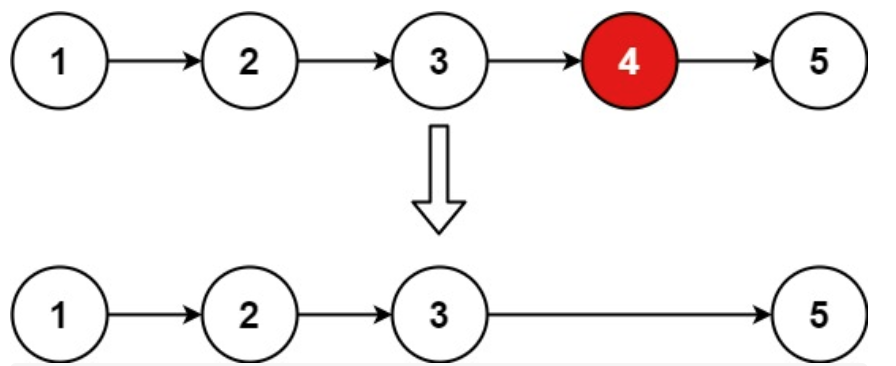
给你一个链表,删除链表的倒数第 n 个结点,并且返回链表的头结点。
|
||
|
||
进阶:你能尝试使用一趟扫描实现吗?
|
||
|
||
示例 1:
|
||
|
||
|
||
|
||
|
||
输入:head = [1,2,3,4,5], n = 2
|
||
输出:[1,2,3,5]
|
||
示例 2:
|
||
|
||
输入:head = [1], n = 1
|
||
输出:[]
|
||
示例 3:
|
||
|
||
输入:head = [1,2], n = 1
|
||
输出:[1]
|
||
|
||
## 算法公开课
|
||
|
||
**[《代码随想录》算法视频公开课](https://programmercarl.com/other/gongkaike.html)::[链表遍历学清楚! | LeetCode:19.删除链表倒数第N个节点](https://www.bilibili.com/video/BV1vW4y1U7Gf),相信结合视频再看本篇题解,更有助于大家对链表的理解。**
|
||
|
||
|
||
## 思路
|
||
|
||
|
||
双指针的经典应用,如果要删除倒数第n个节点,让fast移动n步,然后让fast和slow同时移动,直到fast指向链表末尾。删掉slow所指向的节点就可以了。
|
||
|
||
思路是这样的,但要注意一些细节。
|
||
|
||
分为如下几步:
|
||
|
||
* 首先这里我推荐大家使用虚拟头结点,这样方便处理删除实际头结点的逻辑,如果虚拟头结点不清楚,可以看这篇: [链表:听说用虚拟头节点会方便很多?](https://programmercarl.com/0203.移除链表元素.html)
|
||
|
||
* 定义fast指针和slow指针,初始值为虚拟头结点,如图:
|
||
|
||
<img src='https://code-thinking.cdn.bcebos.com/pics/19.%E5%88%A0%E9%99%A4%E9%93%BE%E8%A1%A8%E7%9A%84%E5%80%92%E6%95%B0%E7%AC%ACN%E4%B8%AA%E8%8A%82%E7%82%B9.png' width=600> </img></div>
|
||
|
||
* fast首先走n + 1步 ,为什么是n+1呢,因为只有这样同时移动的时候slow才能指向删除节点的上一个节点(方便做删除操作),如图:
|
||
<img src='https://code-thinking.cdn.bcebos.com/pics/19.%E5%88%A0%E9%99%A4%E9%93%BE%E8%A1%A8%E7%9A%84%E5%80%92%E6%95%B0%E7%AC%ACN%E4%B8%AA%E8%8A%82%E7%82%B91.png' width=600> </img></div>
|
||
|
||
* fast和slow同时移动,直到fast指向末尾,如题:
|
||
<img src='https://code-thinking.cdn.bcebos.com/pics/19.%E5%88%A0%E9%99%A4%E9%93%BE%E8%A1%A8%E7%9A%84%E5%80%92%E6%95%B0%E7%AC%ACN%E4%B8%AA%E8%8A%82%E7%82%B92.png' width=600> </img></div>
|
||
|
||
* 删除slow指向的下一个节点,如图:
|
||
<img src='https://code-thinking.cdn.bcebos.com/pics/19.%E5%88%A0%E9%99%A4%E9%93%BE%E8%A1%A8%E7%9A%84%E5%80%92%E6%95%B0%E7%AC%ACN%E4%B8%AA%E8%8A%82%E7%82%B93.png' width=600> </img></div>
|
||
|
||
此时不难写出如下C++代码:
|
||
|
||
```CPP
|
||
class Solution {
|
||
public:
|
||
ListNode* removeNthFromEnd(ListNode* head, int n) {
|
||
ListNode* dummyHead = new ListNode(0);
|
||
dummyHead->next = head;
|
||
ListNode* slow = dummyHead;
|
||
ListNode* fast = dummyHead;
|
||
while(n-- && fast != NULL) {
|
||
fast = fast->next;
|
||
}
|
||
fast = fast->next; // fast再提前走一步,因为需要让slow指向删除节点的上一个节点
|
||
while (fast != NULL) {
|
||
fast = fast->next;
|
||
slow = slow->next;
|
||
}
|
||
slow->next = slow->next->next;
|
||
|
||
// ListNode *tmp = slow->next; C++释放内存的逻辑
|
||
// slow->next = tmp->next;
|
||
// delete tmp;
|
||
|
||
return dummyHead->next;
|
||
}
|
||
};
|
||
```
|
||
|
||
* 时间复杂度: O(n)
|
||
* 空间复杂度: O(1)
|
||
|
||
|
||
## 其他语言版本
|
||
|
||
### Java:
|
||
|
||
```java
|
||
public ListNode removeNthFromEnd(ListNode head, int n){
|
||
ListNode dummyNode = new ListNode(0);
|
||
dummyNode.next = head;
|
||
|
||
ListNode fastIndex = dummyNode;
|
||
ListNode slowIndex = dummyNode;
|
||
|
||
// 只要快慢指针相差 n 个结点即可
|
||
for (int i = 0; i < n ; i++){
|
||
fastIndex = fastIndex.next;
|
||
}
|
||
|
||
while (fastIndex != null){
|
||
fastIndex = fastIndex.next;
|
||
slowIndex = slowIndex.next;
|
||
}
|
||
|
||
//此时 slowIndex 的位置就是待删除元素的前一个位置。
|
||
//具体情况可自己画一个链表长度为 3 的图来模拟代码来理解
|
||
slowIndex.next = slowIndex.next.next;
|
||
return dummyNode.next;
|
||
}
|
||
```
|
||
|
||
### Python:
|
||
|
||
```python
|
||
# Definition for singly-linked list.
|
||
# class ListNode:
|
||
# def __init__(self, val=0, next=None):
|
||
# self.val = val
|
||
# self.next = next
|
||
|
||
class Solution:
|
||
def removeNthFromEnd(self, head: ListNode, n: int) -> ListNode:
|
||
# 创建一个虚拟节点,并将其下一个指针设置为链表的头部
|
||
dummy_head = ListNode(0, head)
|
||
|
||
# 创建两个指针,慢指针和快指针,并将它们初始化为虚拟节点
|
||
slow = fast = dummy_head
|
||
|
||
# 快指针比慢指针快 n+1 步
|
||
for i in range(n+1):
|
||
fast = fast.next
|
||
|
||
# 移动两个指针,直到快速指针到达链表的末尾
|
||
while fast:
|
||
slow = slow.next
|
||
fast = fast.next
|
||
|
||
# 通过更新第 (n-1) 个节点的 next 指针删除第 n 个节点
|
||
slow.next = slow.next.next
|
||
|
||
return dummy_head.next
|
||
|
||
```
|
||
### Go:
|
||
|
||
```Go
|
||
/**
|
||
* Definition for singly-linked list.
|
||
* type ListNode struct {
|
||
* Val int
|
||
* Next *ListNode
|
||
* }
|
||
*/
|
||
func removeNthFromEnd(head *ListNode, n int) *ListNode {
|
||
dummyNode := &ListNode{0, head}
|
||
fast, slow := dummyNode, dummyNode
|
||
for i := 0; i <= n; i++ { // 注意<=,否则快指针为空时,慢指针正好在倒数第n个上面
|
||
fast = fast.Next
|
||
}
|
||
for fast != nil {
|
||
fast = fast.Next
|
||
slow = slow.Next
|
||
}
|
||
slow.Next = slow.Next.Next
|
||
return dummyNode.Next
|
||
}
|
||
```
|
||
|
||
### JavaScript:
|
||
|
||
```js
|
||
/**
|
||
* @param {ListNode} head
|
||
* @param {number} n
|
||
* @return {ListNode}
|
||
*/
|
||
var removeNthFromEnd = function(head, n) {
|
||
let ret = new ListNode(0, head),
|
||
slow = fast = ret;
|
||
while(n--) fast = fast.next;
|
||
while (fast.next !== null) {
|
||
fast = fast.next;
|
||
slow = slow.next
|
||
};
|
||
slow.next = slow.next.next;
|
||
return ret.next;
|
||
};
|
||
```
|
||
### TypeScript:
|
||
|
||
版本一(快慢指针法):
|
||
|
||
```typescript
|
||
function removeNthFromEnd(head: ListNode | null, n: number): ListNode | null {
|
||
let newHead: ListNode | null = new ListNode(0, head);
|
||
//根据leetcode题目的定义可推断这里快慢指针均不需要定义为ListNode | null。
|
||
let slowNode: ListNode = newHead;
|
||
let fastNode: ListNode = newHead;
|
||
|
||
while(n--) {
|
||
fastNode = fastNode.next!; //由虚拟头节点前进n个节点时,fastNode.next可推断不为null。
|
||
}
|
||
while(fastNode.next) { //遍历直至fastNode.next = null, 即尾部节点。 此时slowNode指向倒数第n个节点。
|
||
fastNode = fastNode.next;
|
||
slowNode = slowNode.next!;
|
||
}
|
||
slowNode.next = slowNode.next!.next; //倒数第n个节点可推断其next节点不为空。
|
||
return newHead.next;
|
||
}
|
||
```
|
||
|
||
版本二(计算节点总数法):
|
||
|
||
```typescript
|
||
function removeNthFromEnd(head: ListNode | null, n: number): ListNode | null {
|
||
let curNode: ListNode | null = head;
|
||
let listSize: number = 0;
|
||
while (curNode) {
|
||
curNode = curNode.next;
|
||
listSize++;
|
||
}
|
||
if (listSize === n) {
|
||
head = head.next;
|
||
} else {
|
||
curNode = head;
|
||
for (let i = 0; i < listSize - n - 1; i++) {
|
||
curNode = curNode.next;
|
||
}
|
||
curNode.next = curNode.next.next;
|
||
}
|
||
return head;
|
||
};
|
||
```
|
||
|
||
版本三(递归倒退n法):
|
||
|
||
```typescript
|
||
function removeNthFromEnd(head: ListNode | null, n: number): ListNode | null {
|
||
let newHead: ListNode | null = new ListNode(0, head);
|
||
let cnt = 0;
|
||
function recur(node) {
|
||
if (node === null) return;
|
||
recur(node.next);
|
||
cnt++;
|
||
if (cnt === n + 1) {
|
||
node.next = node.next.next;
|
||
}
|
||
}
|
||
recur(newHead);
|
||
return newHead.next;
|
||
};
|
||
```
|
||
|
||
### Kotlin:
|
||
|
||
```Kotlin
|
||
fun removeNthFromEnd(head: ListNode?, n: Int): ListNode? {
|
||
val pre = ListNode(0).apply {
|
||
this.next = head
|
||
}
|
||
var fastNode: ListNode? = pre
|
||
var slowNode: ListNode? = pre
|
||
for (i in 0..n) {
|
||
fastNode = fastNode?.next
|
||
}
|
||
while (fastNode != null) {
|
||
slowNode = slowNode?.next
|
||
fastNode = fastNode.next
|
||
}
|
||
slowNode?.next = slowNode?.next?.next
|
||
return pre.next
|
||
}
|
||
```
|
||
|
||
### Swift:
|
||
|
||
```swift
|
||
func removeNthFromEnd(_ head: ListNode?, _ n: Int) -> ListNode? {
|
||
if head == nil {
|
||
return nil
|
||
}
|
||
if n == 0 {
|
||
return head
|
||
}
|
||
let dummyHead = ListNode(-1, head)
|
||
var fast: ListNode? = dummyHead
|
||
var slow: ListNode? = dummyHead
|
||
// fast 前移 n
|
||
for _ in 0 ..< n {
|
||
fast = fast?.next
|
||
}
|
||
while fast?.next != nil {
|
||
fast = fast?.next
|
||
slow = slow?.next
|
||
}
|
||
slow?.next = slow?.next?.next
|
||
return dummyHead.next
|
||
}
|
||
```
|
||
|
||
### PHP:
|
||
|
||
```php
|
||
function removeNthFromEnd($head, $n) {
|
||
// 设置虚拟头节点
|
||
$dummyHead = new ListNode();
|
||
$dummyHead->next = $head;
|
||
|
||
$slow = $fast = $dummyHead;
|
||
while($n-- && $fast != null){
|
||
$fast = $fast->next;
|
||
}
|
||
// fast 再走一步,让 slow 指向删除节点的上一个节点
|
||
$fast = $fast->next;
|
||
while ($fast != NULL) {
|
||
$fast = $fast->next;
|
||
$slow = $slow->next;
|
||
}
|
||
$slow->next = $slow->next->next;
|
||
return $dummyHead->next;
|
||
}
|
||
```
|
||
|
||
### Scala:
|
||
|
||
```scala
|
||
object Solution {
|
||
def removeNthFromEnd(head: ListNode, n: Int): ListNode = {
|
||
val dummy = new ListNode(-1, head) // 定义虚拟头节点
|
||
var fast = head // 快指针从头开始走
|
||
var slow = dummy // 慢指针从虚拟头开始头
|
||
// 因为参数 n 是不可变量,所以不能使用 while(n>0){n-=1}的方式
|
||
for (i <- 0 until n) {
|
||
fast = fast.next
|
||
}
|
||
// 快指针和满指针一起走,直到fast走到null
|
||
while (fast != null) {
|
||
slow = slow.next
|
||
fast = fast.next
|
||
}
|
||
// 删除slow的下一个节点
|
||
slow.next = slow.next.next
|
||
// 返回虚拟头节点的下一个
|
||
dummy.next
|
||
}
|
||
}
|
||
```
|
||
|
||
### Rust:
|
||
|
||
```rust
|
||
impl Solution {
|
||
pub fn remove_nth_from_end(head: Option<Box<ListNode>>, mut n: i32) -> Option<Box<ListNode>> {
|
||
let mut dummy_head = Box::new(ListNode::new(0));
|
||
dummy_head.next = head;
|
||
let mut fast = &dummy_head.clone();
|
||
let mut slow = &mut dummy_head;
|
||
while n > 0 {
|
||
fast = fast.next.as_ref().unwrap();
|
||
n -= 1;
|
||
}
|
||
while fast.next.is_some() {
|
||
fast = fast.next.as_ref().unwrap();
|
||
slow = slow.next.as_mut().unwrap();
|
||
}
|
||
slow.next = slow.next.as_mut().unwrap().next.take();
|
||
dummy_head.next
|
||
}
|
||
}
|
||
```
|
||
### C:
|
||
|
||
```c
|
||
/**c语言单链表的定义
|
||
* Definition for singly-linked list.
|
||
* struct ListNode {
|
||
* int val;
|
||
* struct ListNode *next;
|
||
* };
|
||
*/
|
||
struct ListNode* removeNthFromEnd(struct ListNode* head, int n) {
|
||
//定义虚拟头节点dummy 并初始化使其指向head
|
||
struct ListNode* dummy = malloc(sizeof(struct ListNode));
|
||
dummy->val = 0;
|
||
dummy->next = head;
|
||
//定义 fast slow 双指针
|
||
struct ListNode* fast = head;
|
||
struct ListNode* slow = dummy;
|
||
|
||
for (int i = 0; i < n; ++i) {
|
||
fast = fast->next;
|
||
}
|
||
while (fast) {
|
||
fast = fast->next;
|
||
slow = slow->next;
|
||
}
|
||
slow->next = slow->next->next;//删除倒数第n个节点
|
||
head = dummy->next;
|
||
free(dummy);//删除虚拟节点dummy
|
||
return head;
|
||
}
|
||
|
||
|
||
|
||
```
|
||
|
||
### C#:
|
||
|
||
```csharp
|
||
public class Solution {
|
||
public ListNode RemoveNthFromEnd(ListNode head, int n) {
|
||
ListNode dummpHead = new ListNode(0);
|
||
dummpHead.next = head;
|
||
var fastNode = dummpHead;
|
||
var slowNode = dummpHead;
|
||
while(n-- != 0 && fastNode != null)
|
||
{
|
||
fastNode = fastNode.next;
|
||
}
|
||
while(fastNode.next != null)
|
||
{
|
||
fastNode = fastNode.next;
|
||
slowNode = slowNode.next;
|
||
}
|
||
slowNode.next = slowNode.next.next;
|
||
return dummpHead.next;
|
||
}
|
||
}
|
||
```
|
||
<p align="center">
|
||
<a href="https://programmercarl.com/other/kstar.html" target="_blank">
|
||
<img src="../pics/网站星球宣传海报.jpg" width="1000"/>
|
||
</a>
|