mirror of
https://github.com/TheAlgorithms/C-Plus-Plus.git
synced 2026-11-25 21:24:03 +08:00
 Krishna Vedala
@@ -31,8 +31,9 @@ if(DOXYGEN_FOUND)
|
||||
set(DOXYGEN_CREATE_SUBDIRS YES)
|
||||
set(DOXYGEN_EXTRACT_PRIVATE YES)
|
||||
set(DOCYGEN_GENERATE_TREEVIEW YES)
|
||||
set(DOXYGEN_STRIP_CODE_COMMENTS NO)
|
||||
set(DOXYGEN_GENERATE_TREEVIEW YES)
|
||||
set(DOXYGEN_STRIP_CODE_COMMENTS NO)
|
||||
set(DOXYGEN_EXT_LINKS_IN_WINDOW YES)
|
||||
set(DOXYGEN_BUILTIN_STL_SUPPORT YES)
|
||||
set(DOXYGEN_CLANG_ASSISTED_PARSING YES)
|
||||
set(DOXYGEN_FILE_PATTERNS *.cpp *.h *.hpp *.md)
|
||||
@@ -72,6 +73,7 @@ add_subdirectory(strings)
|
||||
add_subdirectory(sorting)
|
||||
add_subdirectory(geometry)
|
||||
add_subdirectory(probability)
|
||||
add_subdirectory(data_structures)
|
||||
add_subdirectory(machine_learning)
|
||||
add_subdirectory(numerical_methods)
|
||||
|
||||
|
||||
60
DIRECTORY.md
60
DIRECTORY.md
@@ -10,38 +10,39 @@
|
||||
* [Rat Maze](https://github.com/TheAlgorithms/C-Plus-Plus/blob/master/backtracking/rat_maze.cpp)
|
||||
* [Sudoku Solve](https://github.com/TheAlgorithms/C-Plus-Plus/blob/master/backtracking/sudoku_solve.cpp)
|
||||
|
||||
## Data Structure
|
||||
* [Avltree](https://github.com/TheAlgorithms/C-Plus-Plus/blob/master/data_structure/avltree.cpp)
|
||||
* [Binary Search Tree](https://github.com/TheAlgorithms/C-Plus-Plus/blob/master/data_structure/binary_search_tree.cpp)
|
||||
* [Binaryheap](https://github.com/TheAlgorithms/C-Plus-Plus/blob/master/data_structure/binaryheap.cpp)
|
||||
* [Circular Queue Using Linked List](https://github.com/TheAlgorithms/C-Plus-Plus/blob/master/data_structure/circular_queue_using_linked_list.cpp)
|
||||
## Data Structures
|
||||
* [Avltree](https://github.com/TheAlgorithms/C-Plus-Plus/blob/master/data_structures/avltree.cpp)
|
||||
* [Binary Search Tree](https://github.com/TheAlgorithms/C-Plus-Plus/blob/master/data_structures/binary_search_tree.cpp)
|
||||
* [Binaryheap](https://github.com/TheAlgorithms/C-Plus-Plus/blob/master/data_structures/binaryheap.cpp)
|
||||
* [Circular Queue Using Linked List](https://github.com/TheAlgorithms/C-Plus-Plus/blob/master/data_structures/circular_queue_using_linked_list.cpp)
|
||||
* Cll
|
||||
* [Cll](https://github.com/TheAlgorithms/C-Plus-Plus/blob/master/data_structure/cll/cll.cpp)
|
||||
* [Cll](https://github.com/TheAlgorithms/C-Plus-Plus/blob/master/data_structure/cll/cll.h)
|
||||
* [Main Cll](https://github.com/TheAlgorithms/C-Plus-Plus/blob/master/data_structure/cll/main_cll.cpp)
|
||||
* [Disjoint Set](https://github.com/TheAlgorithms/C-Plus-Plus/blob/master/data_structure/disjoint_set.cpp)
|
||||
* [Doubly Linked List](https://github.com/TheAlgorithms/C-Plus-Plus/blob/master/data_structure/doubly_linked_list.cpp)
|
||||
* [Linked List](https://github.com/TheAlgorithms/C-Plus-Plus/blob/master/data_structure/linked_list.cpp)
|
||||
* [Linkedlist Implentation Usingarray](https://github.com/TheAlgorithms/C-Plus-Plus/blob/master/data_structure/linkedlist_implentation_usingarray.cpp)
|
||||
* [List Array](https://github.com/TheAlgorithms/C-Plus-Plus/blob/master/data_structure/list_array.cpp)
|
||||
* [Morrisinorder](https://github.com/TheAlgorithms/C-Plus-Plus/blob/master/data_structure/morrisinorder.cpp)
|
||||
* [Cll](https://github.com/TheAlgorithms/C-Plus-Plus/blob/master/data_structures/cll/cll.cpp)
|
||||
* [Cll](https://github.com/TheAlgorithms/C-Plus-Plus/blob/master/data_structures/cll/cll.h)
|
||||
* [Main Cll](https://github.com/TheAlgorithms/C-Plus-Plus/blob/master/data_structures/cll/main_cll.cpp)
|
||||
* [Disjoint Set](https://github.com/TheAlgorithms/C-Plus-Plus/blob/master/data_structures/disjoint_set.cpp)
|
||||
* [Doubly Linked List](https://github.com/TheAlgorithms/C-Plus-Plus/blob/master/data_structures/doubly_linked_list.cpp)
|
||||
* [Linked List](https://github.com/TheAlgorithms/C-Plus-Plus/blob/master/data_structures/linked_list.cpp)
|
||||
* [Linkedlist Implentation Usingarray](https://github.com/TheAlgorithms/C-Plus-Plus/blob/master/data_structures/linkedlist_implentation_usingarray.cpp)
|
||||
* [List Array](https://github.com/TheAlgorithms/C-Plus-Plus/blob/master/data_structures/list_array.cpp)
|
||||
* [Morrisinorder](https://github.com/TheAlgorithms/C-Plus-Plus/blob/master/data_structures/morrisinorder.cpp)
|
||||
* Queue
|
||||
* [Queue](https://github.com/TheAlgorithms/C-Plus-Plus/blob/master/data_structure/queue/queue.cpp)
|
||||
* [Queue](https://github.com/TheAlgorithms/C-Plus-Plus/blob/master/data_structure/queue/queue.h)
|
||||
* [Test Queue](https://github.com/TheAlgorithms/C-Plus-Plus/blob/master/data_structure/queue/test_queue.cpp)
|
||||
* [Queue Using Array](https://github.com/TheAlgorithms/C-Plus-Plus/blob/master/data_structure/queue_using_array.cpp)
|
||||
* [Queue Using Array2](https://github.com/TheAlgorithms/C-Plus-Plus/blob/master/data_structure/queue_using_array2.cpp)
|
||||
* [Queue Using Linked List](https://github.com/TheAlgorithms/C-Plus-Plus/blob/master/data_structure/queue_using_linked_list.cpp)
|
||||
* [Queue Using Linkedlist](https://github.com/TheAlgorithms/C-Plus-Plus/blob/master/data_structure/queue_using_linkedlist.cpp)
|
||||
* [Stack Using Array](https://github.com/TheAlgorithms/C-Plus-Plus/blob/master/data_structure/stack_using_array.cpp)
|
||||
* [Stack Using Linked List](https://github.com/TheAlgorithms/C-Plus-Plus/blob/master/data_structure/stack_using_linked_list.cpp)
|
||||
* [Queue](https://github.com/TheAlgorithms/C-Plus-Plus/blob/master/data_structures/queue/queue.cpp)
|
||||
* [Queue](https://github.com/TheAlgorithms/C-Plus-Plus/blob/master/data_structures/queue/queue.h)
|
||||
* [Test Queue](https://github.com/TheAlgorithms/C-Plus-Plus/blob/master/data_structures/queue/test_queue.cpp)
|
||||
* [Queue Using Array](https://github.com/TheAlgorithms/C-Plus-Plus/blob/master/data_structures/queue_using_array.cpp)
|
||||
* [Queue Using Array2](https://github.com/TheAlgorithms/C-Plus-Plus/blob/master/data_structures/queue_using_array2.cpp)
|
||||
* [Queue Using Linked List](https://github.com/TheAlgorithms/C-Plus-Plus/blob/master/data_structures/queue_using_linked_list.cpp)
|
||||
* [Queue Using Linkedlist](https://github.com/TheAlgorithms/C-Plus-Plus/blob/master/data_structures/queue_using_linkedlist.cpp)
|
||||
* [Stack Using Array](https://github.com/TheAlgorithms/C-Plus-Plus/blob/master/data_structures/stack_using_array.cpp)
|
||||
* [Stack Using Linked List](https://github.com/TheAlgorithms/C-Plus-Plus/blob/master/data_structures/stack_using_linked_list.cpp)
|
||||
* Stk
|
||||
* [Main](https://github.com/TheAlgorithms/C-Plus-Plus/blob/master/data_structure/stk/main.cpp)
|
||||
* [Stack](https://github.com/TheAlgorithms/C-Plus-Plus/blob/master/data_structure/stk/stack.cpp)
|
||||
* [Stack](https://github.com/TheAlgorithms/C-Plus-Plus/blob/master/data_structure/stk/stack.h)
|
||||
* [Test Stack](https://github.com/TheAlgorithms/C-Plus-Plus/blob/master/data_structure/stk/test_stack.cpp)
|
||||
* [Tree](https://github.com/TheAlgorithms/C-Plus-Plus/blob/master/data_structure/tree.cpp)
|
||||
* [Trie Tree](https://github.com/TheAlgorithms/C-Plus-Plus/blob/master/data_structure/trie_tree.cpp)
|
||||
* [Main](https://github.com/TheAlgorithms/C-Plus-Plus/blob/master/data_structures/stk/main.cpp)
|
||||
* [Stack](https://github.com/TheAlgorithms/C-Plus-Plus/blob/master/data_structures/stk/stack.cpp)
|
||||
* [Stack](https://github.com/TheAlgorithms/C-Plus-Plus/blob/master/data_structures/stk/stack.h)
|
||||
* [Test Stack](https://github.com/TheAlgorithms/C-Plus-Plus/blob/master/data_structures/stk/test_stack.cpp)
|
||||
* [Tree](https://github.com/TheAlgorithms/C-Plus-Plus/blob/master/data_structures/tree.cpp)
|
||||
* [Trie Modern](https://github.com/TheAlgorithms/C-Plus-Plus/blob/master/data_structures/trie_modern.cpp)
|
||||
* [Trie Tree](https://github.com/TheAlgorithms/C-Plus-Plus/blob/master/data_structures/trie_tree.cpp)
|
||||
|
||||
## Dynamic Programming
|
||||
* [0 1 Knapsack](https://github.com/TheAlgorithms/C-Plus-Plus/blob/master/dynamic_programming/0_1_knapsack.cpp)
|
||||
@@ -72,6 +73,7 @@
|
||||
* [Bridge Finding With Tarjan Algorithm](https://github.com/TheAlgorithms/C-Plus-Plus/blob/master/graph/bridge_finding_with_tarjan_algorithm.cpp)
|
||||
* [Connected Components](https://github.com/TheAlgorithms/C-Plus-Plus/blob/master/graph/connected_components.cpp)
|
||||
* [Connected Components With Dsu](https://github.com/TheAlgorithms/C-Plus-Plus/blob/master/graph/connected_components_with_dsu.cpp)
|
||||
* [Cycle Check Directed Graph](https://github.com/TheAlgorithms/C-Plus-Plus/blob/master/graph/cycle_check_directed_graph.cpp)
|
||||
* [Dfs](https://github.com/TheAlgorithms/C-Plus-Plus/blob/master/graph/dfs.cpp)
|
||||
* [Dfs With Stack](https://github.com/TheAlgorithms/C-Plus-Plus/blob/master/graph/dfs_with_stack.cpp)
|
||||
* [Dijkstra](https://github.com/TheAlgorithms/C-Plus-Plus/blob/master/graph/dijkstra.cpp)
|
||||
|
||||
@@ -1,11 +1,10 @@
|
||||
# The Algorithms - C++ # {#mainpage}
|
||||
|
||||
[](https://github.com/kvedala/C-Plus-Plus/blob/master/CONTRIBUTION.md)
|
||||
<a href="https://github.com/kvedala/C-Plus-Plus/blob/master/CONTRIBUTION.md">]</a>
|
||||

|
||||

|
||||

|
||||

|
||||

|
||||
<a href="https://kvedala.github.io/C-Plus-Plus"></a>
|
||||
<a href="https://github.com/kvedala/C-Plus-Plus/actions?query=workflow%3A%22Awesome+CI+Workflow%22"></a>
|
||||
|
||||
[Online Documentation](https://kvedala.github.io/C-Plus-Plus).
|
||||
|
||||
@@ -15,4 +14,4 @@ Click on [Files menu](https://kvedala.github.io/C-Plus-Plus/files.html) to see t
|
||||
The implementations are for learning purpose. They may be less efficient than the implementation in the standard library.
|
||||
|
||||
### Contribute Guidelines
|
||||
Read our [Contribution Guidelines](https://github.com/TheAlgorithms/C-Plus-Plus/blob/master/CONTRIBUTION.md) before you contribute.
|
||||
Read our [Contribution Guidelines](https://github.com/kvedala/C-Plus-Plus/blob/master/CONTRIBUTION.md) before you contribute.
|
||||
|
||||
@@ -1,104 +0,0 @@
|
||||
/* The difference between the pointer implementation of linked list and array
|
||||
implementation of linked list:
|
||||
1. The NULL is represented by -1;
|
||||
2. Limited size. (in the following case it is 100 nodes at max). But we can
|
||||
reuse the nodes that are to be deleted by again linking it bacj to the list.
|
||||
*/
|
||||
|
||||
#include <iostream>
|
||||
using namespace std;
|
||||
struct Node {
|
||||
int data;
|
||||
int next;
|
||||
};
|
||||
Node AvailArray[100]; // array that will act as nodes of a linked list.
|
||||
int head = -1;
|
||||
int avail = 0;
|
||||
void initialise_list() {
|
||||
for (int i = 0; i <= 98; i++) {
|
||||
AvailArray[i].next = i + 1;
|
||||
}
|
||||
AvailArray[99].next = -1; // indicating the end of the linked list.
|
||||
}
|
||||
|
||||
int getnode() // This will return the index of the first free node present in
|
||||
// the avail list
|
||||
{
|
||||
int NodeIndexToBeReturned = avail;
|
||||
avail = AvailArray[avail].next;
|
||||
return NodeIndexToBeReturned;
|
||||
}
|
||||
|
||||
void freeNode(
|
||||
int nodeToBeDeleted) // This function when called will delete the node with
|
||||
// the index presented as an argument, and will put
|
||||
// back that node into the array.
|
||||
{
|
||||
AvailArray[nodeToBeDeleted].next = avail;
|
||||
avail = nodeToBeDeleted;
|
||||
}
|
||||
|
||||
void insertAtTheBeginning(int data) // The function will insert the given data
|
||||
// into the front of the linked list.
|
||||
{
|
||||
int newNode = getnode();
|
||||
AvailArray[newNode].data = data;
|
||||
AvailArray[newNode].next = head;
|
||||
head = newNode;
|
||||
}
|
||||
|
||||
void insertAtTheEnd(int data) {
|
||||
int newNode = getnode();
|
||||
int temp = head;
|
||||
while (AvailArray[temp].next != -1) {
|
||||
temp = AvailArray[temp].next;
|
||||
}
|
||||
// temp is now pointing to the end node.
|
||||
AvailArray[newNode].data = data;
|
||||
AvailArray[newNode].next = -1;
|
||||
AvailArray[temp].next = newNode;
|
||||
}
|
||||
|
||||
void display() {
|
||||
int temp = head;
|
||||
while (temp != -1) {
|
||||
cout << AvailArray[temp].data << "->";
|
||||
temp = AvailArray[temp].next;
|
||||
}
|
||||
cout << "-1" << endl;
|
||||
;
|
||||
}
|
||||
|
||||
int main() {
|
||||
initialise_list();
|
||||
int x, y, z;
|
||||
for (;;) {
|
||||
cout << "1. Insert At The Beginning" << endl;
|
||||
cout << "2. Insert At The End" << endl;
|
||||
cout << "3. Display" << endl;
|
||||
cout << "4.Exit" << endl;
|
||||
cout << "Enter Your choice" << endl;
|
||||
cin >> z;
|
||||
switch (z) {
|
||||
case 1:
|
||||
cout << "Enter the number you want to enter" << endl;
|
||||
cin >> x;
|
||||
insertAtTheBeginning(x);
|
||||
break;
|
||||
case 2:
|
||||
cout << "Enter the number you want to enter" << endl;
|
||||
cin >> y;
|
||||
insertAtTheEnd(y);
|
||||
break;
|
||||
case 3:
|
||||
cout << "The linked list contains the following element in order"
|
||||
<< endl;
|
||||
display();
|
||||
break;
|
||||
case 4:
|
||||
exit(0);
|
||||
default:
|
||||
cout << "The entered choice is not correct" << endl;
|
||||
}
|
||||
}
|
||||
}
|
||||
@@ -1,56 +0,0 @@
|
||||
#include <iostream>
|
||||
using namespace std;
|
||||
|
||||
int *stack;
|
||||
int top = 0, size;
|
||||
|
||||
void push(int x) {
|
||||
if (top == size) {
|
||||
cout << "\nOverflow";
|
||||
} else {
|
||||
stack[top++] = x;
|
||||
}
|
||||
}
|
||||
|
||||
void pop() {
|
||||
if (top == 0) {
|
||||
cout << "\nUnderflow";
|
||||
} else {
|
||||
cout << "\n" << stack[--top] << " deleted";
|
||||
}
|
||||
}
|
||||
|
||||
void show() {
|
||||
for (int i = 0; i < top; i++) {
|
||||
cout << stack[i] << "\n";
|
||||
}
|
||||
}
|
||||
|
||||
void topmost() { cout << "\nTopmost element: " << stack[top - 1]; }
|
||||
int main() {
|
||||
cout << "\nEnter Size of stack : ";
|
||||
cin >> size;
|
||||
stack = new int[size];
|
||||
int ch, x;
|
||||
do {
|
||||
cout << "\n1. Push";
|
||||
cout << "\n2. Pop";
|
||||
cout << "\n3. Print";
|
||||
cout << "\n4. Print topmost element:";
|
||||
cout << "\nEnter Your Choice : ";
|
||||
cin >> ch;
|
||||
if (ch == 1) {
|
||||
cout << "\nInsert : ";
|
||||
cin >> x;
|
||||
push(x);
|
||||
} else if (ch == 2) {
|
||||
pop();
|
||||
} else if (ch == 3) {
|
||||
show();
|
||||
} else if (ch == 4) {
|
||||
topmost();
|
||||
}
|
||||
} while (ch != 0);
|
||||
|
||||
return 0;
|
||||
}
|
||||
18
data_structures/CMakeLists.txt
Normal file
18
data_structures/CMakeLists.txt
Normal file
@@ -0,0 +1,18 @@
|
||||
# If necessary, use the RELATIVE flag, otherwise each source file may be listed
|
||||
# with full pathname. RELATIVE may makes it easier to extract an executable name
|
||||
# automatically.
|
||||
file( GLOB APP_SOURCES RELATIVE ${CMAKE_CURRENT_SOURCE_DIR} *.cpp )
|
||||
# file( GLOB APP_SOURCES ${CMAKE_SOURCE_DIR}/*.c )
|
||||
# AUX_SOURCE_DIRECTORY(${CMAKE_CURRENT_SOURCE_DIR} APP_SOURCES)
|
||||
foreach( testsourcefile ${APP_SOURCES} )
|
||||
# I used a simple string replace, to cut off .cpp.
|
||||
string( REPLACE ".cpp" "" testname ${testsourcefile} )
|
||||
add_executable( ${testname} ${testsourcefile} )
|
||||
|
||||
set_target_properties(${testname} PROPERTIES LINKER_LANGUAGE CXX)
|
||||
if(OpenMP_CXX_FOUND)
|
||||
target_link_libraries(${testname} OpenMP::OpenMP_CXX)
|
||||
endif()
|
||||
install(TARGETS ${testname} DESTINATION "bin/data_structures")
|
||||
|
||||
endforeach( testsourcefile ${APP_SOURCES} )
|
||||
@@ -1,8 +1,15 @@
|
||||
/**
|
||||
* \file
|
||||
* \brief A simple tree implementation using nodes
|
||||
*
|
||||
* \todo update code to use C++ STL library features and OO structure
|
||||
* \warning This program is a poor implementation and does not utilize any of
|
||||
* the C++ STL features.
|
||||
*/
|
||||
#include <algorithm>
|
||||
#include <iostream>
|
||||
#include <queue>
|
||||
|
||||
using namespace std;
|
||||
|
||||
typedef struct node {
|
||||
int data;
|
||||
int height;
|
||||
@@ -10,10 +17,7 @@ typedef struct node {
|
||||
struct node *right;
|
||||
} node;
|
||||
|
||||
int max(int a, int b) { return a > b ? a : b; }
|
||||
|
||||
// Returns a new Node
|
||||
|
||||
/** Create and return a new Node */
|
||||
node *createNode(int data) {
|
||||
node *nn = new node();
|
||||
nn->data = data;
|
||||
@@ -23,20 +27,17 @@ node *createNode(int data) {
|
||||
return nn;
|
||||
}
|
||||
|
||||
// Returns height of tree
|
||||
|
||||
/** Returns height of tree */
|
||||
int height(node *root) {
|
||||
if (root == NULL)
|
||||
return 0;
|
||||
return 1 + max(height(root->left), height(root->right));
|
||||
return 1 + std::max(height(root->left), height(root->right));
|
||||
}
|
||||
|
||||
// Returns difference between height of left and right subtree
|
||||
|
||||
/** Returns difference between height of left and right subtree */
|
||||
int getBalance(node *root) { return height(root->left) - height(root->right); }
|
||||
|
||||
// Returns Node after Right Rotation
|
||||
|
||||
/** Returns Node after Right Rotation */
|
||||
node *rightRotate(node *root) {
|
||||
node *t = root->left;
|
||||
node *u = t->right;
|
||||
@@ -45,8 +46,7 @@ node *rightRotate(node *root) {
|
||||
return t;
|
||||
}
|
||||
|
||||
// Returns Node after Left Rotation
|
||||
|
||||
/** Returns Node after Left Rotation */
|
||||
node *leftRotate(node *root) {
|
||||
node *t = root->right;
|
||||
node *u = t->left;
|
||||
@@ -55,16 +55,14 @@ node *leftRotate(node *root) {
|
||||
return t;
|
||||
}
|
||||
|
||||
// Returns node with minimum value in the tree
|
||||
|
||||
/** Returns node with minimum value in the tree */
|
||||
node *minValue(node *root) {
|
||||
if (root->left == NULL)
|
||||
return root;
|
||||
return minValue(root->left);
|
||||
}
|
||||
|
||||
// Balanced Insertion
|
||||
|
||||
/** Balanced Insertion */
|
||||
node *insert(node *root, int item) {
|
||||
node *nn = createNode(item);
|
||||
if (root == NULL)
|
||||
@@ -86,8 +84,7 @@ node *insert(node *root, int item) {
|
||||
return root;
|
||||
}
|
||||
|
||||
// Balanced Deletion
|
||||
|
||||
/** Balanced Deletion */
|
||||
node *deleteNode(node *root, int key) {
|
||||
if (root == NULL)
|
||||
return root;
|
||||
@@ -118,14 +115,13 @@ node *deleteNode(node *root, int key) {
|
||||
return root;
|
||||
}
|
||||
|
||||
// LevelOrder (Breadth First Search)
|
||||
|
||||
/** LevelOrder (Breadth First Search) */
|
||||
void levelOrder(node *root) {
|
||||
queue<node *> q;
|
||||
std::queue<node *> q;
|
||||
q.push(root);
|
||||
while (!q.empty()) {
|
||||
root = q.front();
|
||||
cout << root->data << " ";
|
||||
std::cout << root->data << " ";
|
||||
q.pop();
|
||||
if (root->left)
|
||||
q.push(root->left);
|
||||
@@ -134,18 +130,19 @@ void levelOrder(node *root) {
|
||||
}
|
||||
}
|
||||
|
||||
/** Main function */
|
||||
int main() {
|
||||
// Testing AVL Tree
|
||||
node *root = NULL;
|
||||
int i;
|
||||
for (i = 1; i <= 7; i++) root = insert(root, i);
|
||||
cout << "LevelOrder: ";
|
||||
std::cout << "LevelOrder: ";
|
||||
levelOrder(root);
|
||||
root = deleteNode(root, 1); // Deleting key with value 1
|
||||
cout << "\nLevelOrder: ";
|
||||
std::cout << "\nLevelOrder: ";
|
||||
levelOrder(root);
|
||||
root = deleteNode(root, 4); // Deletin key with value 4
|
||||
cout << "\nLevelOrder: ";
|
||||
std::cout << "\nLevelOrder: ";
|
||||
levelOrder(root);
|
||||
return 0;
|
||||
}
|
||||
@@ -1,5 +1,12 @@
|
||||
/**
|
||||
* \file
|
||||
* \brief A simple tree implementation using structured nodes
|
||||
*
|
||||
* \todo update code to use C++ STL library features and OO structure
|
||||
* \warning This program is a poor implementation - C style - and does not
|
||||
* utilize any of the C++ STL features.
|
||||
*/
|
||||
#include <iostream>
|
||||
using namespace std;
|
||||
|
||||
struct node {
|
||||
int val;
|
||||
@@ -84,7 +91,7 @@ void Remove(node *p, node *n, int x) {
|
||||
|
||||
void BFT(node *n) {
|
||||
if (n != NULL) {
|
||||
cout << n->val << " ";
|
||||
std::cout << n->val << " ";
|
||||
enqueue(n->left);
|
||||
enqueue(n->right);
|
||||
BFT(dequeue());
|
||||
@@ -93,7 +100,7 @@ void BFT(node *n) {
|
||||
|
||||
void Pre(node *n) {
|
||||
if (n != NULL) {
|
||||
cout << n->val << " ";
|
||||
std::cout << n->val << " ";
|
||||
Pre(n->left);
|
||||
Pre(n->right);
|
||||
}
|
||||
@@ -102,7 +109,7 @@ void Pre(node *n) {
|
||||
void In(node *n) {
|
||||
if (n != NULL) {
|
||||
In(n->left);
|
||||
cout << n->val << " ";
|
||||
std::cout << n->val << " ";
|
||||
In(n->right);
|
||||
}
|
||||
}
|
||||
@@ -111,7 +118,7 @@ void Post(node *n) {
|
||||
if (n != NULL) {
|
||||
Post(n->left);
|
||||
Post(n->right);
|
||||
cout << n->val << " ";
|
||||
std::cout << n->val << " ";
|
||||
}
|
||||
}
|
||||
|
||||
@@ -121,31 +128,31 @@ int main() {
|
||||
int value;
|
||||
int ch;
|
||||
node *root = new node;
|
||||
cout << "\nEnter the value of root node :";
|
||||
cin >> value;
|
||||
std::cout << "\nEnter the value of root node :";
|
||||
std::cin >> value;
|
||||
root->val = value;
|
||||
root->left = NULL;
|
||||
root->right = NULL;
|
||||
do {
|
||||
cout << "\n1. Insert";
|
||||
cout << "\n2. Delete";
|
||||
cout << "\n3. Breadth First";
|
||||
cout << "\n4. Preorder Depth First";
|
||||
cout << "\n5. Inorder Depth First";
|
||||
cout << "\n6. Postorder Depth First";
|
||||
std::cout << "\n1. Insert"
|
||||
<< "\n2. Delete"
|
||||
<< "\n3. Breadth First"
|
||||
<< "\n4. Preorder Depth First"
|
||||
<< "\n5. Inorder Depth First"
|
||||
<< "\n6. Postorder Depth First";
|
||||
|
||||
cout << "\nEnter Your Choice : ";
|
||||
cin >> ch;
|
||||
std::cout << "\nEnter Your Choice : ";
|
||||
std::cin >> ch;
|
||||
int x;
|
||||
switch (ch) {
|
||||
case 1:
|
||||
cout << "\nEnter the value to be Inserted : ";
|
||||
cin >> x;
|
||||
std::cout << "\nEnter the value to be Inserted : ";
|
||||
std::cin >> x;
|
||||
Insert(root, x);
|
||||
break;
|
||||
case 2:
|
||||
cout << "\nEnter the value to be Deleted : ";
|
||||
cin >> x;
|
||||
std::cout << "\nEnter the value to be Deleted : ";
|
||||
std::cin >> x;
|
||||
Remove(root, root, x);
|
||||
break;
|
||||
case 3:
|
||||
@@ -162,4 +169,6 @@ int main() {
|
||||
break;
|
||||
}
|
||||
} while (ch != 0);
|
||||
|
||||
return 0;
|
||||
}
|
||||
@@ -1,48 +1,52 @@
|
||||
// A C++ program to demonstrate common Binary Heap Operations
|
||||
/**
|
||||
* \file
|
||||
* \brief A C++ program to demonstrate common Binary Heap Operations
|
||||
*/
|
||||
#include <climits>
|
||||
#include <iostream>
|
||||
using namespace std;
|
||||
#include <utility>
|
||||
|
||||
// Prototype of a utility function to swap two integers
|
||||
void swap(int *x, int *y);
|
||||
|
||||
// A class for Min Heap
|
||||
/** A class for Min Heap */
|
||||
class MinHeap {
|
||||
int *harr; // pointer to array of elements in heap
|
||||
int capacity; // maximum possible size of min heap
|
||||
int heap_size; // Current number of elements in min heap
|
||||
int *harr; ///< pointer to array of elements in heap
|
||||
int capacity; ///< maximum possible size of min heap
|
||||
int heap_size; ///< Current number of elements in min heap
|
||||
|
||||
public:
|
||||
// Constructor
|
||||
/** Constructor
|
||||
* \param[in] capacity initial heap capacity
|
||||
*/
|
||||
MinHeap(int capacity);
|
||||
|
||||
// to heapify a subtree with the root at given index
|
||||
/** to heapify a subtree with the root at given index
|
||||
*/
|
||||
void MinHeapify(int);
|
||||
|
||||
int parent(int i) { return (i - 1) / 2; }
|
||||
|
||||
// to get index of left child of node at index i
|
||||
/** to get index of left child of node at index i */
|
||||
int left(int i) { return (2 * i + 1); }
|
||||
|
||||
// to get index of right child of node at index i
|
||||
/** to get index of right child of node at index i */
|
||||
int right(int i) { return (2 * i + 2); }
|
||||
|
||||
// to extract the root which is the minimum element
|
||||
/** to extract the root which is the minimum element */
|
||||
int extractMin();
|
||||
|
||||
// Decreases key value of key at index i to new_val
|
||||
/** Decreases key value of key at index i to new_val */
|
||||
void decreaseKey(int i, int new_val);
|
||||
|
||||
// Returns the minimum key (key at root) from min heap
|
||||
/** Returns the minimum key (key at root) from min heap */
|
||||
int getMin() { return harr[0]; }
|
||||
|
||||
// Deletes a key stored at index i
|
||||
/** Deletes a key stored at index i */
|
||||
void deleteKey(int i);
|
||||
|
||||
// Inserts a new key 'k'
|
||||
/** Inserts a new key 'k' */
|
||||
void insertKey(int k);
|
||||
};
|
||||
|
||||
// Constructor: Builds a heap from a given array a[] of given size
|
||||
/** Constructor: Builds a heap from a given array a[] of given size */
|
||||
MinHeap::MinHeap(int cap) {
|
||||
heap_size = 0;
|
||||
capacity = cap;
|
||||
@@ -52,7 +56,7 @@ MinHeap::MinHeap(int cap) {
|
||||
// Inserts a new key 'k'
|
||||
void MinHeap::insertKey(int k) {
|
||||
if (heap_size == capacity) {
|
||||
cout << "\nOverflow: Could not insertKey\n";
|
||||
std::cout << "\nOverflow: Could not insertKey\n";
|
||||
return;
|
||||
}
|
||||
|
||||
@@ -63,17 +67,18 @@ void MinHeap::insertKey(int k) {
|
||||
|
||||
// Fix the min heap property if it is violated
|
||||
while (i != 0 && harr[parent(i)] > harr[i]) {
|
||||
swap(&harr[i], &harr[parent(i)]);
|
||||
std::swap(harr[i], harr[parent(i)]);
|
||||
i = parent(i);
|
||||
}
|
||||
}
|
||||
|
||||
// Decreases value of key at index 'i' to new_val. It is assumed that
|
||||
// new_val is smaller than harr[i].
|
||||
/** Decreases value of key at index 'i' to new_val. It is assumed that new_val
|
||||
* is smaller than harr[i].
|
||||
*/
|
||||
void MinHeap::decreaseKey(int i, int new_val) {
|
||||
harr[i] = new_val;
|
||||
while (i != 0 && harr[parent(i)] > harr[i]) {
|
||||
swap(&harr[i], &harr[parent(i)]);
|
||||
std::swap(harr[i], harr[parent(i)]);
|
||||
i = parent(i);
|
||||
}
|
||||
}
|
||||
@@ -96,15 +101,17 @@ int MinHeap::extractMin() {
|
||||
return root;
|
||||
}
|
||||
|
||||
// This function deletes key at index i. It first reduced value to minus
|
||||
// infinite, then calls extractMin()
|
||||
/** This function deletes key at index i. It first reduced value to minus
|
||||
* infinite, then calls extractMin()
|
||||
*/
|
||||
void MinHeap::deleteKey(int i) {
|
||||
decreaseKey(i, INT_MIN);
|
||||
extractMin();
|
||||
}
|
||||
|
||||
// A recursive method to heapify a subtree with the root at given index
|
||||
// This method assumes that the subtrees are already heapified
|
||||
/** A recursive method to heapify a subtree with the root at given index
|
||||
* This method assumes that the subtrees are already heapified
|
||||
*/
|
||||
void MinHeap::MinHeapify(int i) {
|
||||
int l = left(i);
|
||||
int r = right(i);
|
||||
@@ -114,18 +121,11 @@ void MinHeap::MinHeapify(int i) {
|
||||
if (r < heap_size && harr[r] < harr[smallest])
|
||||
smallest = r;
|
||||
if (smallest != i) {
|
||||
swap(&harr[i], &harr[smallest]);
|
||||
std::swap(harr[i], harr[smallest]);
|
||||
MinHeapify(smallest);
|
||||
}
|
||||
}
|
||||
|
||||
// A utility function to swap two elements
|
||||
void swap(int *x, int *y) {
|
||||
int temp = *x;
|
||||
*x = *y;
|
||||
*y = temp;
|
||||
}
|
||||
|
||||
// Driver program to test above functions
|
||||
int main() {
|
||||
MinHeap h(11);
|
||||
@@ -136,9 +136,9 @@ int main() {
|
||||
h.insertKey(5);
|
||||
h.insertKey(4);
|
||||
h.insertKey(45);
|
||||
cout << h.extractMin() << " ";
|
||||
cout << h.getMin() << " ";
|
||||
std::cout << h.extractMin() << " ";
|
||||
std::cout << h.getMin() << " ";
|
||||
h.decreaseKey(2, 1);
|
||||
cout << h.getMin();
|
||||
std::cout << h.getMin();
|
||||
return 0;
|
||||
}
|
||||
@@ -1,5 +1,4 @@
|
||||
#include <iostream>
|
||||
using namespace std;
|
||||
|
||||
struct node {
|
||||
int data;
|
||||
@@ -48,11 +47,10 @@ class Queue {
|
||||
node *ptr;
|
||||
ptr = front;
|
||||
do {
|
||||
cout << ptr->data << " ";
|
||||
std::cout << ptr->data << " ";
|
||||
ptr = ptr->next;
|
||||
} while (ptr != rear->next);
|
||||
cout << front->data;
|
||||
cout << endl;
|
||||
std::cout << front->data << std::endl;
|
||||
}
|
||||
};
|
||||
int main(void) {
|
||||
114
data_structures/linkedlist_implentation_usingarray.cpp
Normal file
114
data_structures/linkedlist_implentation_usingarray.cpp
Normal file
@@ -0,0 +1,114 @@
|
||||
/**
|
||||
* \file
|
||||
* \brief Linked list implementation using Arrays
|
||||
*
|
||||
* The difference between the pointer implementation of linked list and array
|
||||
* implementation of linked list:
|
||||
* 1. The NULL is represented by -1;
|
||||
* 2. Limited size. (in the following case it is 100 nodes at max). But we can
|
||||
* reuse the nodes that are to be deleted by again linking it bacj to the list.
|
||||
*/
|
||||
|
||||
#include <iostream>
|
||||
|
||||
struct Node {
|
||||
int data;
|
||||
int next;
|
||||
};
|
||||
|
||||
Node AvailArray[100]; ///< array that will act as nodes of a linked list.
|
||||
|
||||
int head = -1;
|
||||
int avail = 0;
|
||||
void initialise_list() {
|
||||
for (int i = 0; i <= 98; i++) {
|
||||
AvailArray[i].next = i + 1;
|
||||
}
|
||||
AvailArray[99].next = -1; // indicating the end of the linked list.
|
||||
}
|
||||
|
||||
/** This will return the index of the first free node present in the avail list
|
||||
*/
|
||||
int getnode() {
|
||||
int NodeIndexToBeReturned = avail;
|
||||
avail = AvailArray[avail].next;
|
||||
return NodeIndexToBeReturned;
|
||||
}
|
||||
|
||||
/** This function when called will delete the node with
|
||||
* the index presented as an argument, and will put
|
||||
* back that node into the array.
|
||||
*/
|
||||
void freeNode(int nodeToBeDeleted) {
|
||||
AvailArray[nodeToBeDeleted].next = avail;
|
||||
avail = nodeToBeDeleted;
|
||||
}
|
||||
|
||||
/** The function will insert the given data
|
||||
* into the front of the linked list.
|
||||
*/
|
||||
void insertAtTheBeginning(int data) {
|
||||
int newNode = getnode();
|
||||
AvailArray[newNode].data = data;
|
||||
AvailArray[newNode].next = head;
|
||||
head = newNode;
|
||||
}
|
||||
|
||||
void insertAtTheEnd(int data) {
|
||||
int newNode = getnode();
|
||||
int temp = head;
|
||||
while (AvailArray[temp].next != -1) {
|
||||
temp = AvailArray[temp].next;
|
||||
}
|
||||
// temp is now pointing to the end node.
|
||||
AvailArray[newNode].data = data;
|
||||
AvailArray[newNode].next = -1;
|
||||
AvailArray[temp].next = newNode;
|
||||
}
|
||||
|
||||
void display() {
|
||||
int temp = head;
|
||||
while (temp != -1) {
|
||||
std::cout << AvailArray[temp].data << "->";
|
||||
temp = AvailArray[temp].next;
|
||||
}
|
||||
std::cout << "-1" << std::endl;
|
||||
}
|
||||
|
||||
/** Main function */
|
||||
int main() {
|
||||
initialise_list();
|
||||
int x, y, z;
|
||||
for (;;) {
|
||||
std::cout << "1. Insert At The Beginning" << std::endl;
|
||||
std::cout << "2. Insert At The End" << std::endl;
|
||||
std::cout << "3. Display" << std::endl;
|
||||
std::cout << "4.Exit" << std::endl;
|
||||
std::cout << "Enter Your choice" << std::endl;
|
||||
std::cin >> z;
|
||||
switch (z) {
|
||||
case 1:
|
||||
std::cout << "Enter the number you want to enter" << std::endl;
|
||||
std::cin >> x;
|
||||
insertAtTheBeginning(x);
|
||||
break;
|
||||
case 2:
|
||||
std::cout << "Enter the number you want to enter" << std::endl;
|
||||
std::cin >> y;
|
||||
insertAtTheEnd(y);
|
||||
break;
|
||||
case 3:
|
||||
std::cout
|
||||
<< "The linked list contains the following element in order"
|
||||
<< std::endl;
|
||||
display();
|
||||
break;
|
||||
case 4:
|
||||
return 0;
|
||||
default:
|
||||
std::cout << "The entered choice is not correct" << std::endl;
|
||||
}
|
||||
}
|
||||
|
||||
return 0;
|
||||
}
|
||||
55
data_structures/stack_using_array.cpp
Normal file
55
data_structures/stack_using_array.cpp
Normal file
@@ -0,0 +1,55 @@
|
||||
#include <iostream>
|
||||
|
||||
int *stack;
|
||||
int top = 0, stack_size;
|
||||
|
||||
void push(int x) {
|
||||
if (top == stack_size) {
|
||||
std::cout << "\nOverflow";
|
||||
} else {
|
||||
stack[top++] = x;
|
||||
}
|
||||
}
|
||||
|
||||
void pop() {
|
||||
if (top == 0) {
|
||||
std::cout << "\nUnderflow";
|
||||
} else {
|
||||
std::cout << "\n" << stack[--top] << " deleted";
|
||||
}
|
||||
}
|
||||
|
||||
void show() {
|
||||
for (int i = 0; i < top; i++) {
|
||||
std::cout << stack[i] << "\n";
|
||||
}
|
||||
}
|
||||
|
||||
void topmost() { std::cout << "\nTopmost element: " << stack[top - 1]; }
|
||||
int main() {
|
||||
std::cout << "\nEnter stack_size of stack : ";
|
||||
std::cin >> stack_size;
|
||||
stack = new int[stack_size];
|
||||
int ch, x;
|
||||
do {
|
||||
std::cout << "\n1. Push";
|
||||
std::cout << "\n2. Pop";
|
||||
std::cout << "\n3. Print";
|
||||
std::cout << "\n4. Print topmost element:";
|
||||
std::cout << "\nEnter Your Choice : ";
|
||||
std::cin >> ch;
|
||||
if (ch == 1) {
|
||||
std::cout << "\nInsert : ";
|
||||
std::cin >> x;
|
||||
push(x);
|
||||
} else if (ch == 2) {
|
||||
pop();
|
||||
} else if (ch == 3) {
|
||||
show();
|
||||
} else if (ch == 4) {
|
||||
topmost();
|
||||
}
|
||||
} while (ch != 0);
|
||||
|
||||
return 0;
|
||||
}
|
||||
168
data_structures/trie_modern.cpp
Normal file
168
data_structures/trie_modern.cpp
Normal file
@@ -0,0 +1,168 @@
|
||||
/**
|
||||
* @file
|
||||
*
|
||||
* Copyright 2020 @author Anmol3299
|
||||
* \brief A basic implementation of trie class to store only lower-case strings.
|
||||
*/
|
||||
#include <iostream> // for io operations
|
||||
#include <memory> // for std::shared_ptr<>
|
||||
#include <string> // for std::string class
|
||||
|
||||
/**
|
||||
* A basic implementation of trie class to store only lower-case strings.
|
||||
* You can extend the implementation to all the ASCII characters by changing the
|
||||
* value of @ ALPHABETS to 128.
|
||||
*/
|
||||
class Trie {
|
||||
private:
|
||||
static constexpr size_t ALPHABETS = 26;
|
||||
|
||||
/**
|
||||
* Structure of trie node.
|
||||
* This struct doesn't need a constructor as we are initializing using
|
||||
* intializer list which is more efficient than if we had done so with
|
||||
* constructor.
|
||||
*/
|
||||
struct TrieNode {
|
||||
// An array of pointers of size 26 which tells if a character of word is
|
||||
// present or not.
|
||||
std::shared_ptr<TrieNode> character[ALPHABETS]{nullptr};
|
||||
|
||||
bool isEndOfWord{false};
|
||||
};
|
||||
|
||||
/**
|
||||
* Function to check if a node has some children which can form words.
|
||||
* @param node whose character array of pointers need to be checked for
|
||||
* children.
|
||||
* @return `true` if a child is found
|
||||
* @return `false` if a child is not found
|
||||
*/
|
||||
inline static bool hasChildren(std::shared_ptr<TrieNode> node) {
|
||||
for (size_t i = 0; i < ALPHABETS; i++) {
|
||||
if (node->character[i]) {
|
||||
return true;
|
||||
}
|
||||
}
|
||||
return false;
|
||||
}
|
||||
|
||||
/**
|
||||
* A recursive helper function to remove a word from the trie. First, it
|
||||
* recursively traverses to the location of last character of word in the
|
||||
* trie. However, if the word is not found, the function returns a runtime
|
||||
* error. Upon successfully reaching the last character of word in trie, if
|
||||
* sets the isEndOfWord to false and deletes the node if and only if it has
|
||||
* no children, else it returns the current node.
|
||||
* @param word is the string which needs to be removed from trie.
|
||||
* @param curr is the current node we are at.
|
||||
* @param index is the index of the @word we are at.
|
||||
* @return if current node has childern, it returns @ curr, else it returns
|
||||
* nullptr.
|
||||
* @throw a runtime error in case @ word is not found in the trie.
|
||||
*/
|
||||
std::shared_ptr<TrieNode> removeWordHelper(const std::string& word,
|
||||
std::shared_ptr<TrieNode> curr,
|
||||
size_t index) {
|
||||
if (word.size() == index) {
|
||||
if (curr->isEndOfWord) {
|
||||
curr->isEndOfWord = false;
|
||||
}
|
||||
if (hasChildren(curr)) {
|
||||
return curr;
|
||||
}
|
||||
return nullptr;
|
||||
}
|
||||
|
||||
size_t idx = word[index] - 'a';
|
||||
|
||||
// Throw a runtime error in case the user enters a word which is not
|
||||
// present in the trie.
|
||||
if (!curr->character[idx]) {
|
||||
throw std::runtime_error(std::move(std::string("Word not found.")));
|
||||
}
|
||||
|
||||
curr->character[idx] =
|
||||
removeWordHelper(word, curr->character[idx], index + 1);
|
||||
|
||||
// This if condition checks if the node has some childern.
|
||||
// The 1st if check, i.e. (curr->character[idx]) is checked specifically
|
||||
// because if the older string is a prefix of some other string, then,
|
||||
// there would be no need to check all 26 characters. Example- str1 =
|
||||
// abbey, str2 = abbex and we want to delete string "abbey", then in
|
||||
// this case, there would be no need to check all characters for the
|
||||
// chars a,b,b.
|
||||
if (curr->character[idx] || hasChildren(curr)) {
|
||||
return curr;
|
||||
}
|
||||
return nullptr;
|
||||
}
|
||||
|
||||
public:
|
||||
/// constructor to initialise the root of the trie.
|
||||
Trie() : m_root(std::make_shared<TrieNode>()) {}
|
||||
|
||||
/**
|
||||
* Insert a word into the trie.
|
||||
* @param word which needs to be inserted into the string.
|
||||
*/
|
||||
void insert(const std::string& word) {
|
||||
auto curr = m_root;
|
||||
for (char ch : word) {
|
||||
size_t index = ch - 'a';
|
||||
|
||||
// if a node for current word is not already present in trie, create
|
||||
// a new node for it.
|
||||
if (!curr->character[index]) {
|
||||
curr->character[index] = std::make_shared<TrieNode>();
|
||||
}
|
||||
|
||||
curr = curr->character[index];
|
||||
}
|
||||
curr->isEndOfWord = true;
|
||||
}
|
||||
|
||||
/**
|
||||
* Search if a word is present in trie or not.
|
||||
* @param word which is needed to be searched in the trie.
|
||||
* @return True if the word is found in trie and isEndOfWord is set to true.
|
||||
* @return False if word is not found in trie or isEndOfWord is set to
|
||||
* false.
|
||||
*/
|
||||
bool search(const std::string& word) {
|
||||
auto curr = m_root;
|
||||
for (char ch : word) {
|
||||
size_t index = ch - 'a';
|
||||
|
||||
// if any node for a character is not found, then return that the
|
||||
// word cannot be formed.
|
||||
if (!curr->character[index]) {
|
||||
return false;
|
||||
}
|
||||
curr = curr->character[index];
|
||||
}
|
||||
return curr->isEndOfWord;
|
||||
}
|
||||
|
||||
// Function to remove the word which calls the helper function.
|
||||
void removeWord(const std::string& word) {
|
||||
m_root = removeWordHelper(word, m_root, 0);
|
||||
}
|
||||
|
||||
private:
|
||||
// data member to store the root of the trie.
|
||||
std::shared_ptr<TrieNode> m_root;
|
||||
};
|
||||
|
||||
/**
|
||||
* Main function
|
||||
*/
|
||||
int main() {
|
||||
Trie trie;
|
||||
trie.insert("hel");
|
||||
trie.insert("hello");
|
||||
trie.removeWord("hel");
|
||||
std::cout << trie.search("hello") << '\n';
|
||||
|
||||
return 0;
|
||||
}
|
||||
302
graph/cycle_check_directed_graph.cpp
Normal file
302
graph/cycle_check_directed_graph.cpp
Normal file
@@ -0,0 +1,302 @@
|
||||
/**
|
||||
* Copyright 2020
|
||||
* @file cycle_check_directed graph.cpp
|
||||
*
|
||||
* @brief BFS and DFS algorithms to check for cycle in a directed graph.
|
||||
*
|
||||
* @author Anmol3299
|
||||
* contact: mittalanmol22@gmail.com
|
||||
*
|
||||
*/
|
||||
|
||||
#include <iostream> // for std::cout
|
||||
#include <queue> // for std::queue
|
||||
#include <stdexcept> // for throwing errors
|
||||
#include <type_traits> // for std::remove_reference_t
|
||||
#include <unordered_map> // for std::unordered_map
|
||||
#include <utility> // for std::move
|
||||
#include <vector> // for std::vector
|
||||
|
||||
/**
|
||||
* Implementation of non-weighted directed edge of a graph.
|
||||
*
|
||||
* The source vertex of the edge is labelled "src" and destination vertex is
|
||||
* labelled "dest".
|
||||
*/
|
||||
struct Edge {
|
||||
unsigned int src;
|
||||
unsigned int dest;
|
||||
|
||||
Edge() = delete;
|
||||
~Edge() = default;
|
||||
Edge(Edge&&) = default;
|
||||
Edge& operator=(Edge&&) = default;
|
||||
Edge(Edge const&) = default;
|
||||
Edge& operator=(Edge const&) = default;
|
||||
|
||||
/** Set the source and destination of the vertex.
|
||||
*
|
||||
* @param source is the source vertex of the edge.
|
||||
* @param destination is the destination vertex of the edge.
|
||||
*/
|
||||
Edge(unsigned int source, unsigned int destination)
|
||||
: src(source), dest(destination) {}
|
||||
};
|
||||
|
||||
using AdjList = std::unordered_map<unsigned int, std::vector<unsigned int>>;
|
||||
|
||||
/**
|
||||
* Implementation of graph class.
|
||||
*
|
||||
* The graph will be represented using Adjacency List representation.
|
||||
* This class contains 2 data members "m_vertices" & "m_adjList" used to
|
||||
* represent the number of vertices and adjacency list of the graph
|
||||
* respectively. The vertices are labelled 0 - (m_vertices - 1).
|
||||
*/
|
||||
class Graph {
|
||||
public:
|
||||
Graph() : m_vertices(0), m_adjList({}) {}
|
||||
~Graph() = default;
|
||||
Graph(Graph&&) = default;
|
||||
Graph& operator=(Graph&&) = default;
|
||||
Graph(Graph const&) = default;
|
||||
Graph& operator=(Graph const&) = default;
|
||||
|
||||
/** Create a graph from vertices and adjacency list.
|
||||
*
|
||||
* @param vertices specify the number of vertices the graph would contain.
|
||||
* @param adjList is the adjacency list representation of graph.
|
||||
*/
|
||||
Graph(unsigned int vertices, AdjList const& adjList)
|
||||
: m_vertices(vertices), m_adjList(adjList) {}
|
||||
|
||||
/** Create a graph from vertices and adjacency list.
|
||||
*
|
||||
* @param vertices specify the number of vertices the graph would contain.
|
||||
* @param adjList is the adjacency list representation of graph.
|
||||
*/
|
||||
Graph(unsigned int vertices, AdjList&& adjList)
|
||||
: m_vertices(std::move(vertices)), m_adjList(std::move(adjList)) {}
|
||||
|
||||
/** Create a graph from vertices and a set of edges.
|
||||
*
|
||||
* Adjacency list of the graph would be created from the set of edges. If
|
||||
* the source or destination of any edge has a value greater or equal to
|
||||
* number of vertices, then it would throw a range_error.
|
||||
*
|
||||
* @param vertices specify the number of vertices the graph would contain.
|
||||
* @param edges is a vector of edges.
|
||||
*/
|
||||
Graph(unsigned int vertices, std::vector<Edge> const& edges)
|
||||
: m_vertices(vertices) {
|
||||
for (auto const& edge : edges) {
|
||||
if (edge.src >= vertices || edge.dest >= vertices) {
|
||||
throw std::range_error(
|
||||
"Either src or dest of edge out of range");
|
||||
}
|
||||
m_adjList[edge.src].emplace_back(edge.dest);
|
||||
}
|
||||
}
|
||||
|
||||
/** Return a const reference of the adjacency list.
|
||||
*
|
||||
* @return const reference to the adjacency list
|
||||
*/
|
||||
std::remove_reference_t<AdjList> const& getAdjList() const {
|
||||
return m_adjList;
|
||||
}
|
||||
|
||||
/**
|
||||
* @return number of vertices in the graph.
|
||||
*/
|
||||
std::remove_reference_t<unsigned int> const& getVertices() const {
|
||||
return m_vertices;
|
||||
}
|
||||
|
||||
/** Add vertices in the graph.
|
||||
*
|
||||
* @param num is the number of vertices to be added. It adds 1 vertex by
|
||||
* default.
|
||||
*
|
||||
*/
|
||||
void addVertices(unsigned int num = 1) { m_vertices += num; }
|
||||
|
||||
/** Add an edge in the graph.
|
||||
*
|
||||
* @param edge that needs to be added.
|
||||
*/
|
||||
void addEdge(Edge const& edge) {
|
||||
if (edge.src >= m_vertices || edge.dest >= m_vertices) {
|
||||
throw std::range_error("Either src or dest of edge out of range");
|
||||
}
|
||||
m_adjList[edge.src].emplace_back(edge.dest);
|
||||
}
|
||||
|
||||
/** Add an Edge in the graph
|
||||
*
|
||||
* @param source is source vertex of the edge.
|
||||
* @param destination is the destination vertex of the edge.
|
||||
*/
|
||||
void addEdge(unsigned int source, unsigned int destination) {
|
||||
if (source >= m_vertices || destination >= m_vertices) {
|
||||
throw std::range_error(
|
||||
"Either source or destination of edge out of range");
|
||||
}
|
||||
m_adjList[source].emplace_back(destination);
|
||||
}
|
||||
|
||||
private:
|
||||
unsigned int m_vertices;
|
||||
AdjList m_adjList;
|
||||
};
|
||||
|
||||
class CycleCheck {
|
||||
private:
|
||||
enum nodeStates : uint8_t { not_visited = 0, in_stack, visited };
|
||||
|
||||
/** Helper function of "isCyclicDFS".
|
||||
*
|
||||
* @param adjList is the adjacency list representation of some graph.
|
||||
* @param state is the state of the nodes of the graph.
|
||||
* @param node is the node being evaluated.
|
||||
*
|
||||
* @return true if graph has a cycle, else false.
|
||||
*/
|
||||
static bool isCyclicDFSHelper(AdjList const& adjList,
|
||||
std::vector<nodeStates>* state,
|
||||
unsigned int node) {
|
||||
// Add node "in_stack" state.
|
||||
(*state)[node] = in_stack;
|
||||
|
||||
// If the node has children, then recursively visit all children of the
|
||||
// node.
|
||||
if (auto const& it = adjList.find(node); it != adjList.end()) {
|
||||
for (auto child : it->second) {
|
||||
// If state of child node is "not_visited", evaluate that child
|
||||
// for presence of cycle.
|
||||
if (auto state_of_child = (*state)[child];
|
||||
state_of_child == not_visited) {
|
||||
if (isCyclicDFSHelper(adjList, state, child)) {
|
||||
return true;
|
||||
}
|
||||
} else if (state_of_child == in_stack) {
|
||||
// If child node was "in_stack", then that means that there
|
||||
// is a cycle in the graph. Return true for presence of the
|
||||
// cycle.
|
||||
return true;
|
||||
}
|
||||
}
|
||||
}
|
||||
|
||||
// Current node has been evaluated for the presence of cycle and had no
|
||||
// cycle. Mark current node as "visited".
|
||||
(*state)[node] = visited;
|
||||
// Return that current node didn't result in any cycles.
|
||||
return false;
|
||||
}
|
||||
|
||||
public:
|
||||
/** Driver function to check if a graph has a cycle.
|
||||
*
|
||||
* This function uses DFS to check for cycle in the graph.
|
||||
*
|
||||
* @param graph which needs to be evaluated for the presence of cycle.
|
||||
* @return true if a cycle is detected, else false.
|
||||
*/
|
||||
static bool isCyclicDFS(Graph const& graph) {
|
||||
/** State of the node.
|
||||
*
|
||||
* It is a vector of "nodeStates" which represents the state node is in.
|
||||
* It can take only 3 values: "not_visited", "in_stack", and "visited".
|
||||
*
|
||||
* Initially, all nodes are in "not_visited" state.
|
||||
*/
|
||||
std::vector<nodeStates> state(graph.getVertices(), not_visited);
|
||||
|
||||
// Start visiting each node.
|
||||
for (auto node = 0; node < graph.getVertices(); node++) {
|
||||
// If a node is not visited, only then check for presence of cycle.
|
||||
// There is no need to check for presence of cycle for a visited
|
||||
// node as it has already been checked for presence of cycle.
|
||||
if (state[node] == not_visited) {
|
||||
// Check for cycle.
|
||||
if (isCyclicDFSHelper(graph.getAdjList(), &state, node)) {
|
||||
return true;
|
||||
}
|
||||
}
|
||||
}
|
||||
|
||||
// All nodes have been safely traversed, that means there is no cycle in
|
||||
// the graph. Return false.
|
||||
return false;
|
||||
}
|
||||
|
||||
/** Check if a graph has cycle or not.
|
||||
*
|
||||
* This function uses BFS to check if a graph is cyclic or not.
|
||||
*
|
||||
* @param graph which needs to be evaluated for the presence of cycle.
|
||||
* @return true if a cycle is detected, else false.
|
||||
*/
|
||||
static bool isCyclicBFS(Graph const& graph) {
|
||||
AdjList graphAjdList = graph.getAdjList();
|
||||
|
||||
std::vector<unsigned int> indegree(graph.getVertices(), 0);
|
||||
// Calculate the indegree i.e. the number of incident edges to the node.
|
||||
for (auto const& [parent, children] : graphAjdList) {
|
||||
for (auto const& child : children) {
|
||||
indegree[child]++;
|
||||
}
|
||||
}
|
||||
|
||||
std::queue<unsigned int> can_be_solved;
|
||||
for (auto node = 0; node < graph.getVertices(); node++) {
|
||||
// If a node doesn't have any input edges, then that node will
|
||||
// definately not result in a cycle and can be visited safely.
|
||||
if (!indegree[node]) {
|
||||
can_be_solved.emplace(node);
|
||||
}
|
||||
}
|
||||
|
||||
// Vertices that need to be traversed.
|
||||
auto remain = graph.getVertices();
|
||||
// While there are safe nodes that we can visit.
|
||||
while (!can_be_solved.empty()) {
|
||||
auto front = can_be_solved.front();
|
||||
// Visit the node.
|
||||
can_be_solved.pop();
|
||||
// Decrease number of nodes that need to be traversed.
|
||||
remain--;
|
||||
|
||||
// Visit all the children of the visited node.
|
||||
if (auto it = graphAjdList.find(front); it != graphAjdList.end()) {
|
||||
for (auto child : it->second) {
|
||||
// Check if we can visited the node safely.
|
||||
if (--indegree[child] == 0) {
|
||||
// if node can be visited safely, then add that node to
|
||||
// the visit queue.
|
||||
can_be_solved.emplace(child);
|
||||
}
|
||||
}
|
||||
}
|
||||
}
|
||||
|
||||
// If there are still nodes that we can't visit, then it means that
|
||||
// there is a cycle and return true, else return false.
|
||||
return !(remain == 0);
|
||||
}
|
||||
};
|
||||
|
||||
/**
|
||||
* Main function.
|
||||
*/
|
||||
int main() {
|
||||
// Instantiate the graph.
|
||||
Graph g(7, std::vector<Edge>{{0, 1}, {1, 2}, {2, 0}, {2, 5}, {3, 5}});
|
||||
// Check for cycle using BFS method.
|
||||
std::cout << CycleCheck::isCyclicBFS(g) << '\n';
|
||||
|
||||
// Check for cycle using DFS method.
|
||||
std::cout << CycleCheck::isCyclicDFS(g) << '\n';
|
||||
return 0;
|
||||
}
|
||||
@@ -130,7 +130,6 @@ void update_weights(const std::valarray<double> &x,
|
||||
*
|
||||
* \param[in] X data set
|
||||
* \param[in,out] W weights matrix
|
||||
* \param[in] D temporary vector to store distances
|
||||
* \param[in] alpha_min terminal value of alpha
|
||||
*/
|
||||
void kohonen_som_tracer(const std::vector<std::valarray<double>> &X,
|
||||
|
||||
@@ -18,11 +18,14 @@
|
||||
* ```
|
||||
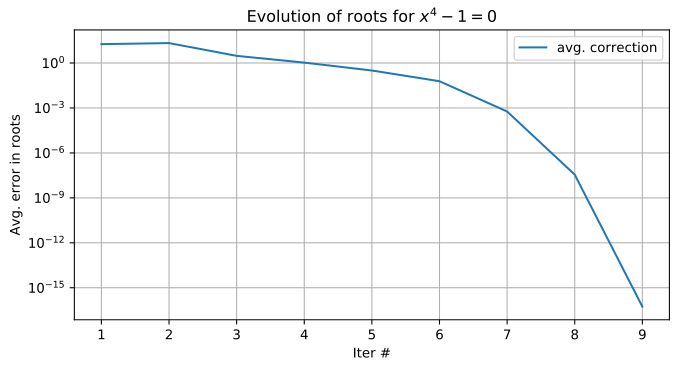
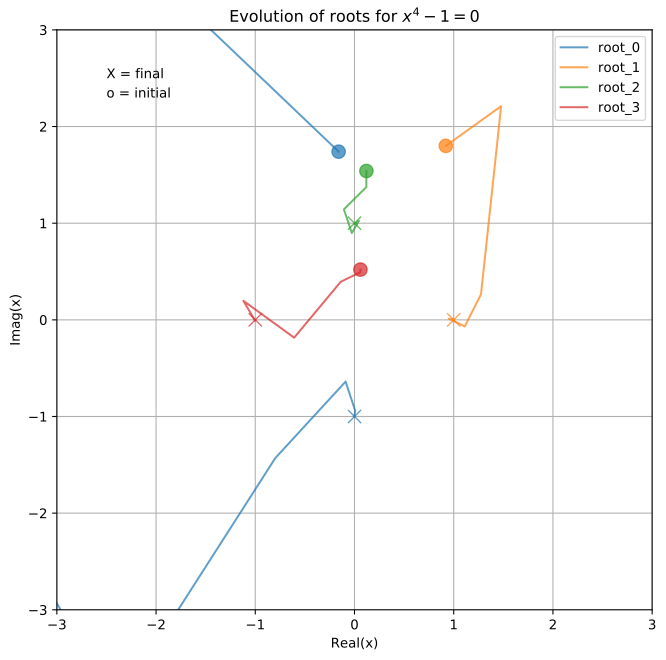
* Sample implementation results to compute approximate roots of the equation
|
||||
* \f$x^4-1=0\f$:\n
|
||||
* 
|
||||
*
|
||||
* 
|
||||
* <img
|
||||
* src="https://raw.githubusercontent.com/kvedala/C-Plus-Plus/docs/images/numerical_methods/durand_kerner_error.svg"
|
||||
* width="400" alt="Error evolution during root approximations computed every
|
||||
* iteration."/> <img
|
||||
* src="https://raw.githubusercontent.com/kvedala/C-Plus-Plus/docs/images/numerical_methods/durand_kerner_roots.svg"
|
||||
* width="400" alt="Roots evolution - shows the initial approximation of the
|
||||
* roots and their convergence to a final approximation along with the iterative
|
||||
* approximations" />
|
||||
*/
|
||||
|
||||
#include <algorithm>
|
||||
@@ -52,7 +55,7 @@ std::complex<double> poly_function(const std::valarray<double> &coeffs,
|
||||
int n;
|
||||
|
||||
// #ifdef _OPENMP
|
||||
// #pragma omp parallel for reduction(+ : real, imag)
|
||||
// #pragma omp target teams distribute reduction(+ : real, imag)
|
||||
// #endif
|
||||
for (n = 0; n < coeffs.size(); n++) {
|
||||
std::complex<double> tmp =
|
||||
@@ -132,7 +135,6 @@ std::pair<uint32_t, double> durand_kerner_algo(
|
||||
bool break_loop = false;
|
||||
while (!check_termination(tol_condition) && iter < INT16_MAX &&
|
||||
!break_loop) {
|
||||
std::complex<double> delta = 0;
|
||||
tol_condition = 0;
|
||||
iter++;
|
||||
break_loop = false;
|
||||
@@ -175,9 +177,10 @@ std::pair<uint32_t, double> durand_kerner_algo(
|
||||
if (break_loop)
|
||||
break;
|
||||
|
||||
if (log_file.is_open())
|
||||
if (log_file.is_open()) {
|
||||
for (n = 0; n < roots->size(); n++)
|
||||
log_file << complex_str((*roots)[n]) << ",";
|
||||
}
|
||||
|
||||
#if defined(DEBUG) || !defined(NDEBUG)
|
||||
if (iter % 500 == 0) {
|
||||
|
||||
Reference in New Issue
Block a user