mirror of
https://github.com/springzfx/cgproxy.git
synced 2026-01-07 13:07:56 +08:00
Compare commits
12 Commits
| Author | SHA1 | Date | |
|---|---|---|---|

|
7f0ebe9d35 | ||
|
|
236c08172b | ||
|
|
c07ae13030 | ||
|
|
d5ea832b4f | ||
|
|
aa5ca6f204 | ||
|
|
a80187f947 | ||
|
|
dca895c7cc | ||
|
|
08097a54d7 | ||
|
|
bce568d802 | ||
|
|
98c07a31af | ||
|
|
916c11d280 | ||
|
|
72579bc84a |
@@ -1,6 +1,6 @@
|
||||
cmake_minimum_required(VERSION 3.10)
|
||||
|
||||
project(cgproxy VERSION 3.5)
|
||||
project(cgproxy VERSION 3.6)
|
||||
add_executable(cgattach cgattach.cpp)
|
||||
|
||||
install(TARGETS cgattach DESTINATION /usr/bin
|
||||
@@ -48,4 +48,4 @@ set(CONTROL_DIR ${CMAKE_SOURCE_DIR}/control)
|
||||
set(CPACK_RPM_POST_INSTALL_SCRIPT_FILE "${CONTROL_DIR}/postinst")
|
||||
set(CPACK_RPM_PRE_UNINSTALL_SCRIPT_FILE "${CONTROL_DIR}/prerm")
|
||||
|
||||
include(CPack)
|
||||
include(CPack)
|
||||
|
||||
10
cgattach.cpp
10
cgattach.cpp
@@ -32,10 +32,14 @@ bool validate(string pid, string cgroup) {
|
||||
}
|
||||
|
||||
string get_cgroup2_mount_point(){
|
||||
char cgroup2_mount_point[100];
|
||||
FILE* fp = popen("findmnt -t cgroup2 -n |cut -d' ' -f 1", "r");
|
||||
fscanf(fp,"%s",&cgroup2_mount_point);
|
||||
char cgroup2_mount_point[100]="";
|
||||
FILE* fp = popen("findmnt -t cgroup2 -n -o TARGET", "r");
|
||||
int count=fscanf(fp,"%s",&cgroup2_mount_point);
|
||||
fclose(fp);
|
||||
if (count=0){
|
||||
fprintf(stderr, "cgroup2 not supported\n");
|
||||
exit(EXIT_FAILURE);
|
||||
}
|
||||
return cgroup2_mount_point;
|
||||
}
|
||||
|
||||
|
||||
@@ -7,8 +7,8 @@
|
||||
## cgroup must start with slash '/'
|
||||
# cgroup_proxy="/"
|
||||
cgroup_proxy="/proxy.slice"
|
||||
# cgroup_noproxy="/system.slice/v2ray.service"
|
||||
cgroup_noproxy="/noproxy.slice"
|
||||
# cgroup_noproxy="/system.slice/v2ray.service"
|
||||
|
||||
########################################################################
|
||||
## allow as gateway for local network
|
||||
@@ -20,15 +20,14 @@ port=12345
|
||||
|
||||
########################################################################
|
||||
## if you set to false, it's traffic won't go through proxy, but still can go direct to internet
|
||||
enable_dns=true
|
||||
enable_tcp=true
|
||||
enable_udp=true
|
||||
enable_ipv4=true
|
||||
enable_ipv6=true
|
||||
enable_dns=true
|
||||
|
||||
########################################################################
|
||||
## do not modify this if you don't known what you are doing
|
||||
table=100
|
||||
fwmark=0x01
|
||||
mark_noproxy=0xff
|
||||
mark_newin=0x02
|
||||
mark_newin=0x02
|
||||
|
||||
@@ -39,16 +39,17 @@ enable_gateway=false
|
||||
|
||||
## some variables
|
||||
port=12345
|
||||
|
||||
## some options
|
||||
enable_dns=true
|
||||
enable_tcp=true
|
||||
enable_udp=true
|
||||
enable_ipv4=true
|
||||
enable_ipv6=true
|
||||
enable_dns=true
|
||||
|
||||
## do not modify this if you don't known what you are doing
|
||||
table=100
|
||||
fwmark=0x01
|
||||
mark_noproxy=0xff
|
||||
make_newin=0x02
|
||||
|
||||
## cgroup things
|
||||
@@ -109,8 +110,8 @@ test -d $cgroup_mount_point$cgroup_noproxy || mkdir $cgroup_mount_point$cgroup_
|
||||
ip rule add fwmark $fwmark table $table
|
||||
ip route add local default dev lo table $table
|
||||
iptables -t mangle -N TPROXY_ENT
|
||||
iptables -t mangle -A TPROXY_ENT -p tcp -j TPROXY --on-ip 127.0.0.1 --on-port $port --tproxy-mark $fwmark
|
||||
iptables -t mangle -A TPROXY_ENT -p udp -j TPROXY --on-ip 127.0.0.1 --on-port $port --tproxy-mark $fwmark
|
||||
iptables -t mangle -A TPROXY_ENT -p tcp -j TPROXY --on-ip localhost --on-port $port --tproxy-mark $fwmark
|
||||
iptables -t mangle -A TPROXY_ENT -p udp -j TPROXY --on-ip localhost --on-port $port --tproxy-mark $fwmark
|
||||
|
||||
iptables -t mangle -N TPROXY_PRE
|
||||
iptables -t mangle -A TPROXY_PRE -m socket --transparent -j MARK --set-mark $fwmark
|
||||
@@ -119,18 +120,15 @@ iptables -t mangle -A TPROXY_PRE -p icmp -j RETURN
|
||||
iptables -t mangle -A TPROXY_PRE -p udp --dport 53 -j TPROXY_ENT
|
||||
iptables -t mangle -A TPROXY_PRE -p tcp --dport 53 -j TPROXY_ENT
|
||||
iptables -t mangle -A TPROXY_PRE -m addrtype --dst-type LOCAL -j RETURN
|
||||
iptables -t mangle -A TPROXY_PRE -m pkttype --pkt-type broadcast -j RETURN
|
||||
iptables -t mangle -A TPROXY_PRE -m pkttype --pkt-type multicast -j RETURN
|
||||
iptables -t mangle -A TPROXY_PRE -m addrtype ! --dst-type UNICAST -j RETURN
|
||||
iptables -t mangle -A TPROXY_PRE -j TPROXY_ENT
|
||||
iptables -t mangle -A PREROUTING -j TPROXY_PRE
|
||||
|
||||
iptables -t mangle -N TPROXY_OUT
|
||||
iptables -t mangle -A TPROXY_OUT -o lo -j RETURN
|
||||
iptables -t mangle -A TPROXY_OUT -p icmp -j RETURN
|
||||
iptables -t mangle -A TPROXY_OUT -m connmark --mark $make_newin -j RETURN
|
||||
iptables -t mangle -A TPROXY_OUT -m pkttype --pkt-type broadcast -j RETURN
|
||||
iptables -t mangle -A TPROXY_OUT -m pkttype --pkt-type multicast -j RETURN
|
||||
iptables -t mangle -A TPROXY_OUT -m mark --mark $mark_noproxy -j RETURN
|
||||
iptables -t mangle -A TPROXY_PRE -m addrtype --dst-type LOCAL -j RETURN
|
||||
iptables -t mangle -A TPROXY_PRE -m addrtype ! --dst-type UNICAST -j RETURN
|
||||
iptables -t mangle -A TPROXY_OUT -m cgroup --path $cgroup_noproxy -j RETURN
|
||||
iptables -t mangle -A TPROXY_OUT -m cgroup --path $cgroup_proxy -j MARK --set-mark $fwmark
|
||||
iptables -t mangle -A OUTPUT -j TPROXY_OUT
|
||||
@@ -139,56 +137,53 @@ iptables -t mangle -A OUTPUT -j TPROXY_OUT
|
||||
ip -6 rule add fwmark $fwmark table $table
|
||||
ip -6 route add local default dev lo table $table
|
||||
ip6tables -t mangle -N TPROXY_ENT
|
||||
ip6tables -t mangle -A TPROXY_ENT -p tcp -j TPROXY --on-ip ::1 --on-port $port --tproxy-mark $fwmark
|
||||
ip6tables -t mangle -A TPROXY_ENT -p udp -j TPROXY --on-ip ::1 --on-port $port --tproxy-mark $fwmark
|
||||
ip6tables -t mangle -A TPROXY_ENT -p tcp -j TPROXY --on-ip localhost --on-port $port --tproxy-mark $fwmark
|
||||
ip6tables -t mangle -A TPROXY_ENT -p udp -j TPROXY --on-ip localhost --on-port $port --tproxy-mark $fwmark
|
||||
|
||||
ip6tables -t mangle -N TPROXY_PRE
|
||||
ip6tables -t mangle -A TPROXY_PRE -m socket --transparent -j MARK --set-mark $fwmark
|
||||
ip6tables -t mangle -A TPROXY_PRE -m socket --transparent -j RETURN
|
||||
ip6tables -t mangle -A TPROXY_PRE -p icmp -j RETURN
|
||||
ip6tables -t mangle -A TPROXY_PRE -p icmpv6 -j RETURN
|
||||
ip6tables -t mangle -A TPROXY_PRE -p udp --dport 53 -j TPROXY_ENT
|
||||
ip6tables -t mangle -A TPROXY_PRE -p tcp --dport 53 -j TPROXY_ENT
|
||||
ip6tables -t mangle -A TPROXY_PRE -m addrtype --dst-type LOCAL -j RETURN
|
||||
ip6tables -t mangle -A TPROXY_PRE -m pkttype --pkt-type broadcast -j RETURN
|
||||
ip6tables -t mangle -A TPROXY_PRE -m pkttype --pkt-type multicast -j RETURN
|
||||
ip6tables -t mangle -A TPROXY_PRE -m addrtype ! --dst-type UNICAST -j RETURN
|
||||
ip6tables -t mangle -A TPROXY_PRE -j TPROXY_ENT
|
||||
ip6tables -t mangle -A PREROUTING -j TPROXY_PRE
|
||||
|
||||
ip6tables -t mangle -N TPROXY_OUT
|
||||
ip6tables -t mangle -A TPROXY_OUT -o lo -j RETURN
|
||||
ip6tables -t mangle -A TPROXY_OUT -p icmp -j RETURN
|
||||
ip6tables -t mangle -A TPROXY_OUT -m pkttype --pkt-type broadcast -j RETURN
|
||||
ip6tables -t mangle -A TPROXY_OUT -m pkttype --pkt-type multicast -j RETURN
|
||||
ip6tables -t mangle -A TPROXY_OUT -p icmpv6 -j RETURN
|
||||
ip6tables -t mangle -A TPROXY_OUT -m connmark --mark $make_newin -j RETURN
|
||||
ip6tables -t mangle -A TPROXY_OUT -m mark --mark $mark_noproxy -j RETURN
|
||||
ip6tables -t mangle -A TPROXY_PRE -m addrtype --dst-type LOCAL -j RETURN
|
||||
ip6tables -t mangle -A TPROXY_PRE -m addrtype ! --dst-type UNICAST -j RETURN
|
||||
ip6tables -t mangle -A TPROXY_OUT -m cgroup --path $cgroup_noproxy -j RETURN
|
||||
ip6tables -t mangle -A TPROXY_OUT -m cgroup --path $cgroup_proxy -j MARK --set-mark $fwmark
|
||||
ip6tables -t mangle -A OUTPUT -j TPROXY_OUT
|
||||
|
||||
## allow to disable, order is important
|
||||
$enable_dns || iptables -t mangle -I TPROXY_OUT -p udp --dport 53 -j RETURN
|
||||
$enable_dns || ip6tables -t mangle -I TPROXY_OUT -p udp --dport 53 -j RETURN
|
||||
$enable_udp || iptables -t mangle -I TPROXY_OUT -p udp -j RETURN
|
||||
$enable_udp || ip6tables -t mangle -I TPROXY_OUT -p udp -j RETURN
|
||||
$enable_tcp || iptables -t mangle -I TPROXY_OUT -p tcp -j RETURN
|
||||
$enable_tcp || ip6tables -t mangle -I TPROXY_OUT -p tcp -j RETURN
|
||||
$enable_ipv4 || iptables -t mangle -I TPROXY_OUT -j RETURN
|
||||
$enable_ipv6 || ip6tables -t mangle -I TPROXY_OUT -j RETURN
|
||||
$enable_dns || iptables -t mangle -I TPROXY_OUT -p udp --dport 53 -j RETURN
|
||||
$enable_dns || ip6tables -t mangle -I TPROXY_OUT -p udp --dport 53 -j RETURN
|
||||
$enable_udp || iptables -t mangle -I TPROXY_OUT -p udp -j RETURN
|
||||
$enable_udp || ip6tables -t mangle -I TPROXY_OUT -p udp -j RETURN
|
||||
$enable_tcp || iptables -t mangle -I TPROXY_OUT -p tcp -j RETURN
|
||||
$enable_tcp || ip6tables -t mangle -I TPROXY_OUT -p tcp -j RETURN
|
||||
$enable_ipv4 || iptables -t mangle -I TPROXY_OUT -j RETURN
|
||||
$enable_ipv6 || ip6tables -t mangle -I TPROXY_OUT -j RETURN
|
||||
|
||||
if $enable_gateway; then
|
||||
$enable_dns || iptables -t mangle -I TPROXY_PRE -p udp --dport 53 -j RETURN
|
||||
$enable_dns || ip6tables -t mangle -I TPROXY_PRE -p udp --dport 53 -j RETURN
|
||||
$enable_udp || iptables -t mangle -I TPROXY_PRE -p udp -j RETURN
|
||||
$enable_udp || ip6tables -t mangle -I TPROXY_PRE -p udp -j RETURN
|
||||
$enable_tcp || iptables -t mangle -I TPROXY_PRE -p tcp -j RETURN
|
||||
$enable_tcp || ip6tables -t mangle -I TPROXY_PRE -p tcp -j RETURN
|
||||
$enable_ipv4 || iptables -t mangle -I TPROXY_PRE -j RETURN
|
||||
$enable_ipv6 || ip6tables -t mangle -I TPROXY_PRE -j RETURN
|
||||
$enable_dns || iptables -t mangle -I TPROXY_PRE -p udp --dport 53 -j RETURN
|
||||
$enable_dns || ip6tables -t mangle -I TPROXY_PRE -p udp --dport 53 -j RETURN
|
||||
$enable_udp || iptables -t mangle -I TPROXY_PRE -p udp -j RETURN
|
||||
$enable_udp || ip6tables -t mangle -I TPROXY_PRE -p udp -j RETURN
|
||||
$enable_tcp || iptables -t mangle -I TPROXY_PRE -p tcp -j RETURN
|
||||
$enable_tcp || ip6tables -t mangle -I TPROXY_PRE -p tcp -j RETURN
|
||||
$enable_ipv4 || iptables -t mangle -I TPROXY_PRE -j RETURN
|
||||
$enable_ipv6 || ip6tables -t mangle -I TPROXY_PRE -j RETURN
|
||||
fi
|
||||
|
||||
## do not handle local device connection through tproxy if gateway is not enabled
|
||||
$enable_gateway || iptables -t mangle -I TPROXY_PRE -m addrtype ! --src-type LOCAL -m addrtype ! --dst-type LOCAL -j RETURN
|
||||
$enable_gateway || ip6tables -t mangle -I TPROXY_PRE -m addrtype ! --src-type LOCAL -m addrtype ! --dst-type LOCAL -j RETURN
|
||||
$enable_gateway || iptables -t mangle -I TPROXY_PRE -m addrtype ! --src-type LOCAL -j RETURN
|
||||
$enable_gateway || ip6tables -t mangle -I TPROXY_PRE -m addrtype ! --src-type LOCAL -j RETURN
|
||||
|
||||
## make sure following rules are the first in chain TPROXY_PRE to mark new incoming connection or gateway proxy connection
|
||||
## so must put at last to insert first
|
||||
|
||||
60
readme.md
60
readme.md
@@ -1,3 +1,5 @@
|
||||
|
||||
|
||||
# Transparent Proxy with cgroup v2
|
||||
|
||||
|
||||
@@ -36,12 +38,12 @@ It aslo supports global transparent proxy and gateway proxy. See [Global transpa
|
||||
|
||||
- TPROXY
|
||||
|
||||
A process listening on port (e.g. 12345) to accept iptables TPROXY, for example v2ray's dokodemo-door in tproxy mode.
|
||||
A process listening on port (e.g. 12345) to accept iptables TPROXY, for example v2ray's dokodemo-door in tproxy mode.
|
||||
|
||||
## How to install
|
||||
|
||||
```bash
|
||||
mkdir build && cd build && cmake .. && make && make install
|
||||
mkdir build && cd build && cmake .. && make && sudo make install
|
||||
```
|
||||
|
||||
- It is alreay in [archlinux AUR](https://aur.archlinux.org/packages/cgproxy/).
|
||||
@@ -50,13 +52,12 @@ mkdir build && cd build && cmake .. && make && make install
|
||||
|
||||
## How to use
|
||||
|
||||
- First enable service
|
||||
- First enable and start service
|
||||
|
||||
```bash
|
||||
sudo systemctl enable --now cgproxy.service
|
||||
sudo systemctl status cgproxy.service
|
||||
```
|
||||
|
||||
|
||||
- Then prefix with cgproxy with your command, just like proxychains
|
||||
|
||||
```
|
||||
@@ -69,8 +70,13 @@ mkdir build && cd build && cmake .. && make && make install
|
||||
cgproxy curl -vIs https://www.google.com
|
||||
```
|
||||
|
||||
- To completely stop
|
||||
```
|
||||
sudo systemctl disable --now cgproxy.service
|
||||
```
|
||||
----
|
||||
<details>
|
||||
<summary>More config in `/etc/cgproxy.conf` (click to expand)</summary>
|
||||
<summary>More config in <i>/etc/cgproxy.conf</i> (click to expand)</summary>
|
||||
|
||||
```bash
|
||||
########################################################################
|
||||
@@ -78,6 +84,7 @@ mkdir build && cd build && cmake .. && make && make install
|
||||
## any process in cgroup_proxy will be proxied, and cgroup_noproxy the opposite
|
||||
## cgroup must start with slash '/'
|
||||
# cgroup_proxy="/"
|
||||
# cgroup_noproxy="/system.slice/v2ray.service"
|
||||
cgroup_proxy="/proxy.slice"
|
||||
cgroup_noproxy="/noproxy.slice"
|
||||
|
||||
@@ -91,17 +98,16 @@ port=12345
|
||||
|
||||
########################################################################
|
||||
## if you set to false, it's traffic won't go through proxy, but still can go direct to internet
|
||||
enable_dns=true
|
||||
enable_tcp=true
|
||||
enable_udp=true
|
||||
enable_ipv4=true
|
||||
enable_ipv6=true
|
||||
enable_dns=true
|
||||
|
||||
########################################################################
|
||||
## do not modify this if you don't known what you are doing
|
||||
table=100
|
||||
fwmark=0x01
|
||||
mark_noproxy=0xff
|
||||
mark_newin=0x02
|
||||
```
|
||||
</details>
|
||||
@@ -113,24 +119,27 @@ sudo systemctl restart cgproxy.service
|
||||
|
||||
## Global transparent proxy
|
||||
|
||||
- First, set **cgroup_proxy="/"** in `/etc/cgproxy.conf`, this will proxy all connection
|
||||
- Set `cgroup_proxy="/"` in */etc/cgproxy.conf*, this will proxy all connection
|
||||
|
||||
- Then, run your proxy software in cgroup_noproxy to allow direct to internet
|
||||
- And allow your proxy program (v2ray) direct to internet, two ways:
|
||||
- active way
|
||||
|
||||
```bash
|
||||
cgnoproxy <PROXY PROGRAM>
|
||||
# qv2ray as example
|
||||
cgnoproxy qv2ray
|
||||
# v2ray as example
|
||||
cgnoproxy sudo v2ray --config config_file
|
||||
```
|
||||
|
||||
- Finally, restart service `sudo systemctl restart cgproxy.service`, that's all
|
||||
run `cgnoproxy <PROXY PROGRAM>`
|
||||
|
||||
example: `cgnoproxy sudo v2ray -config config_file`
|
||||
|
||||
- passive way
|
||||
|
||||
set `cgroup_noproxy="<PROXY PROGRAM's CGROUP>"`
|
||||
|
||||
example: `cgroup_noproxy="/system.slice/v2ray.service"`
|
||||
|
||||
- Finally, restart cgproxy service, that's all
|
||||
|
||||
## Gateway proxy
|
||||
|
||||
- Set **enable_gateway=true** in `/etc/cgproxy.conf` and restart service
|
||||
- Run your proxy software in cgroup_noproxy to allow direct to internet as above. This is necessary when you use global transparent proxy the same time.
|
||||
- Set `enable_gateway=true` in */etc/cgproxy.conf*
|
||||
- And allow your proxy software (v2ray) direct to internet, described above
|
||||
- Other device set this host as gateway, and set public dns if necessary
|
||||
|
||||
## Other useful tools provided in this project
|
||||
@@ -159,7 +168,7 @@ sudo systemctl restart cgproxy.service
|
||||
|
||||
## NOTES
|
||||
|
||||
- `cgattach` attach pid to specific cgroup, and has *suid* bit set by default, be careful to use on multi-user server for securiry. To avoid this situation, you can remove the *suid* bit , then it will fallback to use *sudo*, with *visudo* you can restrict permission or set NOPASSWD for youself.
|
||||
- `cgattach` has *suid* bit set by default, be careful to use on multi-user server for securiry. To avoid this situation, you can remove the *suid* bit , then it will fallback to use *sudo*, with *sudoer* you can restrict permission or set NOPASSWD for youself.
|
||||
|
||||
- v2ray TPROXY need root or special permission
|
||||
|
||||
@@ -167,13 +176,14 @@ sudo systemctl restart cgproxy.service
|
||||
sudo setcap "cap_net_admin,cap_net_bind_service=ep" /usr/lib/v2ray/v2ray
|
||||
```
|
||||
|
||||
- Why not outbound mark solution, because in v2ray [when `"localhost"` is used, out-going DNS traffic is not controlled by V2Ray](https://www.v2fly.org/en/configuration/dns.html), so no mark at all, that's pitty.
|
||||
- Why not outbound mark solution, because in v2ray [when `"localhost"` is used, out-going DNS traffic is not controlled by V2Ray](https://www.v2fly.org/en/configuration/dns.html), so no mark at all, that's pity.
|
||||
|
||||
## TIPS
|
||||
|
||||
- `systemd-cgls` to see the cgroup hierarchical tree.
|
||||
- v2ray full config exmaple in [v2ray_buid](https://github.com/springzfx/cgproxy/tree/master/v2ray_buid), more to see [v2ray multi-file config](https://www.v2fly.org/chapter_02/multiple_config.html)
|
||||
- Qv2ray config example
|
||||
- Check cgroup2 support `findmnt -t cgroup2`
|
||||
- Offer you v2ray service and full config exmaple in [v2ray_config](https://github.com/springzfx/cgproxy/tree/master/v2ray_config)
|
||||
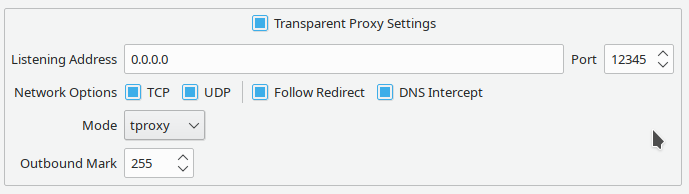
- Offer you qv2ray config example
|
||||
|
||||
|
||||
|
||||
|
||||
@@ -1,5 +1,5 @@
|
||||
{
|
||||
"log": {
|
||||
"loglevel": "debug"
|
||||
"loglevel": "error"
|
||||
}
|
||||
}
|
||||
|
||||
@@ -1,6 +1,8 @@
|
||||
{
|
||||
"dns": {
|
||||
"servers": [
|
||||
"https://223.5.5.5/dns-query",
|
||||
"https://1.1.1.1/dns-query",
|
||||
{
|
||||
"address": "localhost",
|
||||
"port": 53,
|
||||
@@ -10,9 +12,7 @@
|
||||
"expectIPs": [
|
||||
"geoip:cn"
|
||||
]
|
||||
},
|
||||
"https+local://1.1.1.1/dns-query",
|
||||
"223.6.6.6"
|
||||
}
|
||||
],
|
||||
"tag": "dns_inbound"
|
||||
}
|
||||
|
||||
@@ -2,11 +2,32 @@
|
||||
"routing": {
|
||||
"domainStrategy": "IPIfNonMatch",
|
||||
"rules": [
|
||||
{
|
||||
"domain": [
|
||||
"geosite:category-ads-all"
|
||||
],
|
||||
"outboundTag": "outBound_BLACKHOLE",
|
||||
"type": "field"
|
||||
},
|
||||
{
|
||||
"inboundTag": [
|
||||
"inbound_API"
|
||||
],
|
||||
"outboundTag": "API",
|
||||
"type": "field"
|
||||
},
|
||||
{
|
||||
"outboundTag": "dns-out",
|
||||
"port": "53",
|
||||
"type": "field"
|
||||
},
|
||||
{
|
||||
"inboundTag": [
|
||||
"dns_inbound"
|
||||
],
|
||||
"outboundTag": "outBound_DIRECT",
|
||||
"type": "field"
|
||||
},
|
||||
{
|
||||
"domain": [
|
||||
"geosite:google",
|
||||
@@ -20,27 +41,6 @@
|
||||
"outboundTag": "outBound_PROXY",
|
||||
"type": "field"
|
||||
},
|
||||
{
|
||||
"ip": [
|
||||
"geoip:private"
|
||||
],
|
||||
"outboundTag": "outBound_DIRECT",
|
||||
"type": "field"
|
||||
},
|
||||
{
|
||||
"domain": [
|
||||
"geosite:category-ads-all"
|
||||
],
|
||||
"outboundTag": "outBound_BLACKHOLE",
|
||||
"type": "field"
|
||||
},
|
||||
{
|
||||
"ip": [
|
||||
"geoip:cn"
|
||||
],
|
||||
"outboundTag": "outBound_DIRECT",
|
||||
"type": "field"
|
||||
},
|
||||
{
|
||||
"domain": [
|
||||
"geosite:cn"
|
||||
@@ -49,10 +49,11 @@
|
||||
"type": "field"
|
||||
},
|
||||
{
|
||||
"inboundTag": [
|
||||
"inbound_API"
|
||||
"ip": [
|
||||
"geoip:cn",
|
||||
"geoip:private"
|
||||
],
|
||||
"outboundTag": "API",
|
||||
"outboundTag": "outBound_DIRECT",
|
||||
"type": "field"
|
||||
}
|
||||
]
|
||||
|
||||
30
v2ray_config/05_inbounds_tproxy_ipv4lo.json
Normal file
30
v2ray_config/05_inbounds_tproxy_ipv4lo.json
Normal file
@@ -0,0 +1,30 @@
|
||||
{
|
||||
"inbounds": [
|
||||
{
|
||||
"listen": "127.0.0.1",
|
||||
"port": 12345,
|
||||
"protocol": "dokodemo-door",
|
||||
"settings": {
|
||||
"address": "",
|
||||
"followRedirect": true,
|
||||
"network": "tcp,udp",
|
||||
"port": 0,
|
||||
"timeout": 300,
|
||||
"userLevel": 0
|
||||
},
|
||||
"sniffing": {
|
||||
"destOverride": [
|
||||
"http",
|
||||
"tls"
|
||||
],
|
||||
"enabled": true
|
||||
},
|
||||
"streamSettings": {
|
||||
"sockopt": {
|
||||
"tproxy": "tproxy"
|
||||
}
|
||||
},
|
||||
"tag": "tproxy_IN_ipv4lo"
|
||||
}
|
||||
]
|
||||
}
|
||||
@@ -1,7 +1,7 @@
|
||||
{
|
||||
"inbounds": [
|
||||
{
|
||||
"listen": "0.0.0.0",
|
||||
"listen": "::1",
|
||||
"port": 12345,
|
||||
"protocol": "dokodemo-door",
|
||||
"settings": {
|
||||
@@ -9,7 +9,7 @@
|
||||
"followRedirect": true,
|
||||
"network": "tcp,udp",
|
||||
"port": 0,
|
||||
"timeout": 0,
|
||||
"timeout": 300,
|
||||
"userLevel": 0
|
||||
},
|
||||
"sniffing": {
|
||||
@@ -24,7 +24,7 @@
|
||||
"tproxy": "tproxy"
|
||||
}
|
||||
},
|
||||
"tag": "tproxy_IN"
|
||||
"tag": "tproxy_IN_ipv6lo"
|
||||
}
|
||||
]
|
||||
}
|
||||
@@ -1 +1 @@
|
||||
{}
|
||||
{}
|
||||
|
||||
@@ -1 +1,8 @@
|
||||
Fill `06_outbounds_myproxy.json` with your vmess proxy config with tag `outBound_PROXY`.
|
||||
## Usage
|
||||
- Fill `06_outbounds_myproxy.json` with your vmess proxy config with tag `outBound_PROXY`.
|
||||
- Start with `sudo v2ray -confdir .`
|
||||
|
||||
## Reference
|
||||
|
||||
- [v2ray multi-file config](https://www.v2fly.org/chapter_02/multiple_config.html)
|
||||
|
||||
|
||||
Reference in New Issue
Block a user